
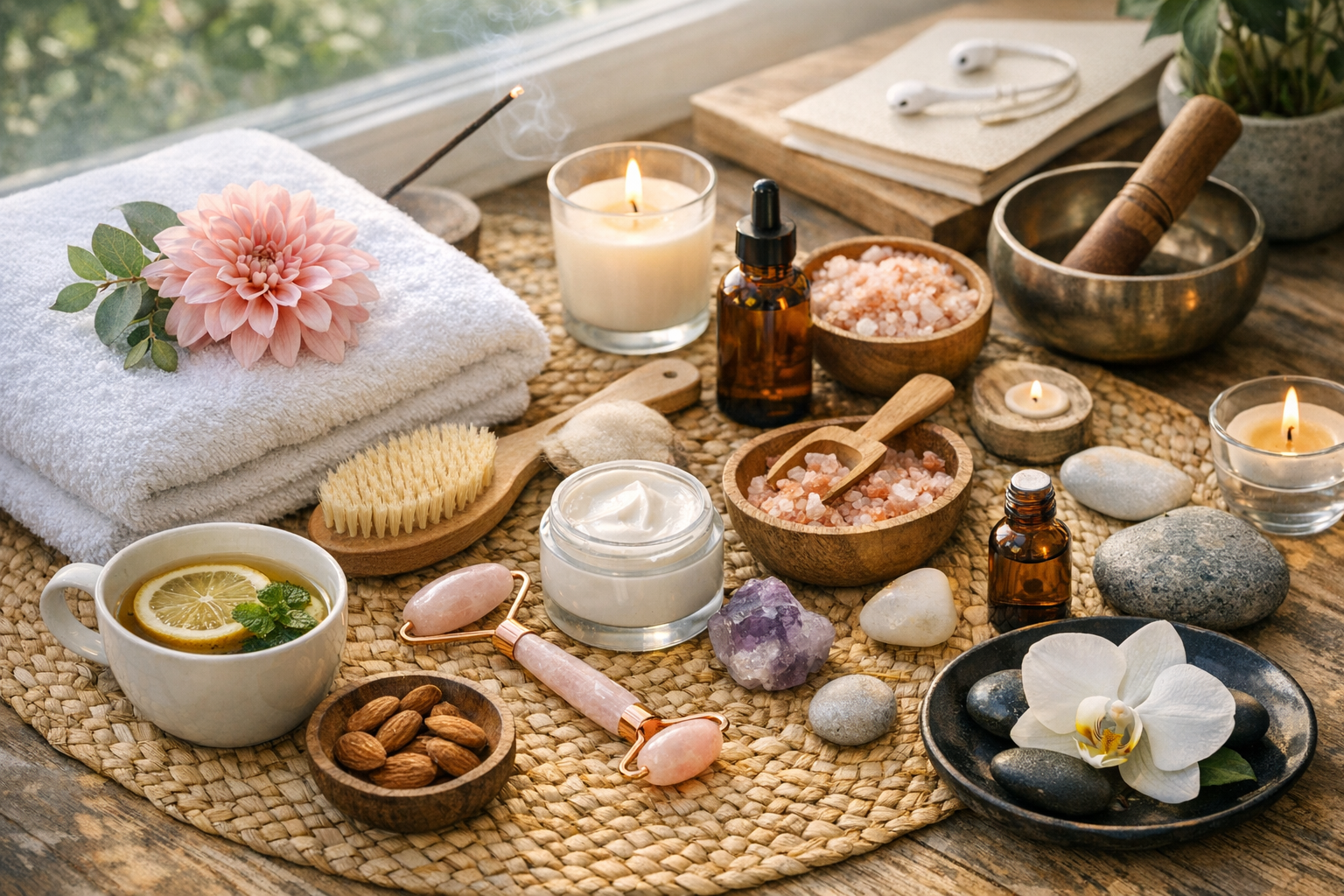
Understanding the Importance of Self Care
Self care is more than just a trendy buzzword—it’s a vital practice that supports mental, emotional, and physical well-being. As our lives become increasingly busy and stressful, prioritizing self care is essential for maintaining balance, improving productivity, and achieving overall happiness. In this comprehensive guide, we explore the concept of self care, its benefits, and actionable strategies for incorporating it into your daily routine.
What is Self Care?
Self care refers to any activity that individuals engage in to nurture their health, happiness, and personal growth. It encompasses a wide range of practices, from basic physical needs like sleep and nutrition to emotional and spiritual wellness. By regularly practicing self care, you build resilience against stress and prevent burnout, allowing you to function at your best in all areas of life.
The Dimensions of Self Care
Self care can be categorized into several dimensions, each contributing to a holistic sense of well-being:
- Physical Self Care: Activities that improve bodily health, such as exercise, nutrition, and sleep.
- Mental Self Care: Practices that stimulate the mind and promote mental clarity, like reading or learning new skills.
- Emotional Self Care: Strategies for managing and expressing emotions in a healthy way, including journaling or therapy.
- Social Self Care: Nurturing relationships and connecting with supportive people.
- Spiritual Self Care: Activities that foster a sense of purpose or inner peace, such as meditation or spending time in nature.
The Benefits of Practicing Self Care
Incorporating self care into your life yields numerous benefits:
- Reduces Stress: Engaging in self care helps you manage stress more effectively and lowers the risk of anxiety and depression.
- Boosts Productivity: Taking time for yourself can increase focus and motivation, leading to greater efficiency at work and home.
- Improves Relationships: When you prioritize your needs, you’re better equipped to support and connect with others.
- Enhances Physical Health: Regular self care supports immune function, lowers blood pressure, and contributes to overall physical wellness.
Actionable Self Care Strategies
Developing a self care routine doesn’t have to be complicated. Here are some practical strategies to get started:
1. Prioritize Sleep
Quality sleep is foundational to good health. Aim for 7-9 hours per night, establish a calming bedtime routine, and create a restful environment by minimizing screen time and keeping your bedroom cool and dark.
2. Nourish Your Body
Eat a balanced diet rich in fruits, vegetables, lean proteins, and whole grains. Stay hydrated and avoid excessive caffeine or processed foods. Mindful eating can also enhance your relationship with food.
3. Move Regularly
Physical activity is a proven mood booster and stress reliever. Incorporate at least 30 minutes of exercise most days of the week, whether it’s a brisk walk, yoga, or a favorite sport.
4. Practice Mindfulness
Mindfulness techniques such as meditation, deep breathing, or progressive muscle relaxation can help you stay present and manage stress. Start with a few minutes each day and gradually increase as you feel comfortable.
5. Set Boundaries
Learning to say no and establishing healthy boundaries protects your time and energy. Communicate your limits clearly to others and prioritize activities that align with your values.
6. Engage in Activities You Love
Make time for hobbies and interests that bring you joy. Whether it’s reading, painting, gardening, or listening to music, these activities can recharge your spirit and provide a sense of accomplishment.
7. Foster Social Connections
Strong social support is linked to better mental health. Reach out to friends or family, join a club, or volunteer in your community to build meaningful relationships.
8. Reflect and Journal
Writing about your thoughts and feelings can provide clarity and emotional release. Consider keeping a gratitude journal to focus on the positive aspects of your life.
Overcoming Common Self Care Barriers
Many people struggle to prioritize self care due to time constraints, guilt, or the belief that it’s selfish. However, self care is a necessity, not a luxury. Here’s how to overcome common obstacles:
- Start Small: Even five minutes a day can make a difference. Gradually build up your self care routine as you become more comfortable.
- Schedule Self Care: Treat self care appointments as non-negotiable commitments in your calendar.
- Practice Self-Compassion: Remind yourself that caring for your own needs enables you to show up more fully for others.
Creating Your Personalized Self Care Plan
Everyone’s needs are different, so it’s important to tailor your self care routine to what works best for you. Here’s a simple framework to get started:
- Assess Your Needs: Identify areas of your life that need attention—physical, mental, emotional, social, or spiritual.
- Set Realistic Goals: Choose one or two self care activities to focus on each week.
- Track Your Progress: Reflect regularly on how you feel and adjust your routine as needed.
Conclusion: Make Self Care a Priority
In a fast-paced world, self care is essential for maintaining health, happiness, and resilience. By understanding its importance and implementing simple, effective strategies, you can cultivate a life of greater balance and fulfillment. Start today—your future self will thank you.