
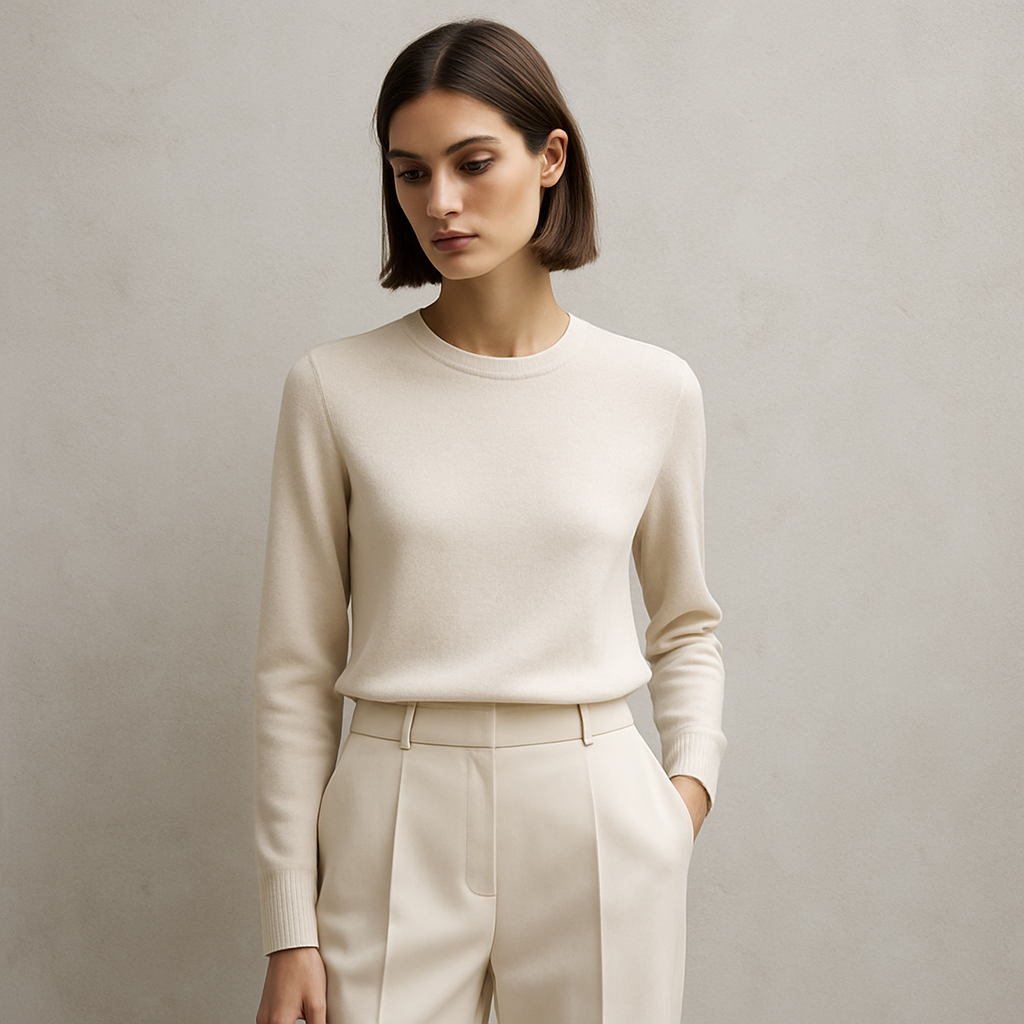
What is Minimalist Fashion?
Minimalist fashion is more than just a trend; it is a philosophy rooted in simplicity, functionality, and timeless style. Emphasizing quality over quantity, minimalist fashion encourages individuals to curate wardrobes filled with versatile, well-made pieces that stand the test of time. The minimalist approach values clean lines, neutral colors, and intentional choices, resulting in outfits that feel both effortless and elegant.
The Principles of Minimalist Fashion
Understanding the core principles of minimalist fashion is essential for anyone looking to embrace this aesthetic. Here are the fundamental concepts:
- Simplicity: Minimalist fashion avoids excessive embellishments and favors straightforward designs.
- Functionality: Each item in a minimalist wardrobe serves a practical purpose, ensuring versatility and usefulness.
- Quality: Investing in high-quality fabrics and construction ensures longevity and enduring appeal.
- Neutral Palette: Minimalist wardrobes typically feature neutral shades such as black, white, grey, beige, and navy, which are easy to mix and match.
- Timelessness: The focus is on classic silhouettes that transcend seasonal trends.
Building a Minimalist Wardrobe
Curating a minimalist wardrobe begins with thoughtful planning and editing. Here are actionable steps to create a closet that reflects minimalist values:
1. Audit Your Current Wardrobe
Start by evaluating your existing clothing. Remove items that are rarely worn, ill-fitting, or overly trendy. Donate or recycle what you no longer need, keeping only those pieces that align with your style and lifestyle.
2. Choose Core Staples
Invest in foundational pieces that form the backbone of your wardrobe. Consider the following essentials:
- White button-down shirt
- Tailored blazer
- Classic jeans
- Neutral t-shirts and sweaters
- Little black dress
- Well-fitted trousers
- Simple sneakers or loafers
3. Focus on Versatility
Select items that can be easily mixed and matched to create multiple outfits. Versatile clothing reduces decision fatigue and ensures you get the most use out of each piece.
4. Prioritize Quality
Rather than buying many inexpensive items, focus on fewer, high-quality pieces made from durable fabrics. Materials like cotton, linen, wool, and leather are popular choices in minimalist fashion.
5. Embrace Neutral Colors
A minimalist palette makes styling easier and allows for seamless combinations. While neutral tones are favored, don’t shy away from incorporating a few muted accent colors if they suit your personal style.
Benefits of Minimalist Fashion
Adopting a minimalist approach to fashion offers a range of advantages beyond aesthetics:
- Time-saving: Fewer options mean quicker outfit decisions each day.
- Cost-effective: Investing in quality over quantity saves money in the long run.
- Sustainability: Minimalist wardrobes reduce waste and support ethical consumption.
- Less Clutter: A streamlined closet leads to a more organized and stress-free space.
- Timeless Style: Classic pieces remain fashionable year after year, regardless of changing trends.
How to Style Minimalist Outfits
Minimalist fashion is not about looking plain; with the right approach, it exudes sophistication and quiet confidence. Here are some tips for styling minimalist outfits:
Play with Silhouettes and Textures
Combine different shapes and materials to add interest to your look. For example, pair a structured blazer with relaxed trousers, or mix a chunky knit sweater with sleek leather pants.
Accessorize Intentionally
Choose accessories that are functional and understated, such as a classic watch, a leather handbag, or a pair of simple hoop earrings. Let each accessory serve a purpose and complement your outfit rather than overpower it.
Layering for Depth
Layering is a powerful tool in minimalist styling. Experiment with layering neutral pieces in different lengths and textures to create depth without clutter.
Minimalist Fashion Icons and Brands
Many style icons and fashion brands have championed the minimalist aesthetic. Noteworthy minimalist fashion icons include:
- Coco Chanel: Known for her timeless, pared-back designs.
- Calvin Klein: A pioneer of clean lines and neutral palettes.
- Victoria Beckham: Modern minimalist with a focus on sophisticated silhouettes.
Brands that exemplify minimalist fashion include:
- The Row
- COS
- Everlane
- Uniqlo
- Jil Sander
Minimalist Fashion and Sustainability
Minimalist fashion aligns closely with sustainability principles. By prioritizing fewer, better-quality items, consumers reduce their environmental footprint and contribute to a more ethical fashion industry. Many minimalist brands emphasize transparent production processes, ethical labor practices, and eco-friendly materials.
Common Misconceptions About Minimalist Fashion
There are several myths surrounding minimalist fashion. Let’s debunk a few:
- It’s Boring: Minimalist fashion can be creative and expressive, relying on subtle details and personal touches.
- Only Neutrals Allowed: While neutrals are common, minimalist wardrobes can include color if done thoughtfully.
- It’s Expensive: While initial investments in quality may seem high, the long-term savings outweigh the costs.
Conclusion: Embracing Less for More Impact
Minimalist fashion is a conscious choice that extends beyond clothing. It’s about fostering mindfulness, reducing clutter, and making intentional decisions that reflect your values. By embracing the minimalist aesthetic, you can achieve a wardrobe that is not only stylish but also sustainable and uniquely yours. Whether you’re new to minimalism or looking to refine your style, the principles outlined above provide a solid foundation for timeless, effortless dressing.