
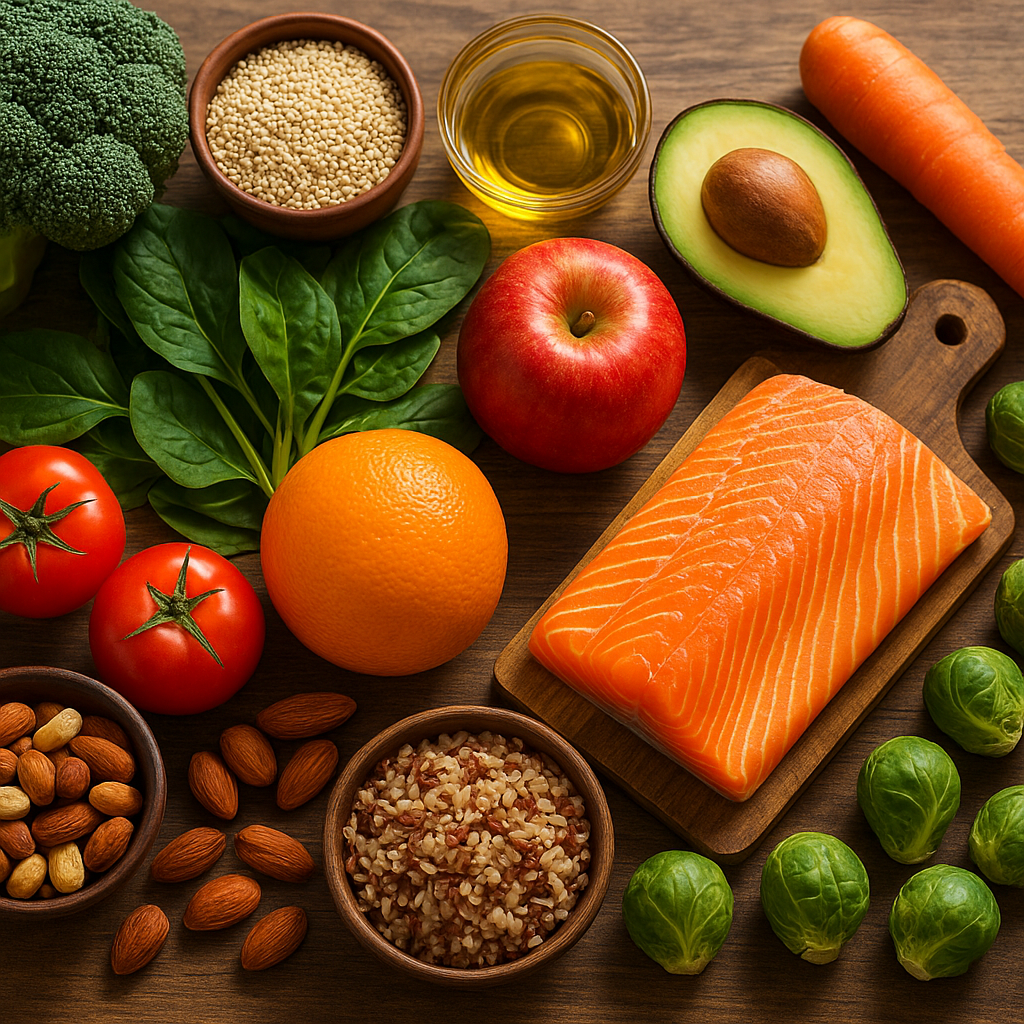
Understanding the Importance of Nutrition
Nutrition plays a pivotal role in maintaining overall health and well-being. It serves as the foundation for a healthy lifestyle, influencing everything from physical fitness to mental acuity. As our understanding of dietary science evolves, so too does the significance of adopting balanced eating habits. Whether your goal is to boost energy, manage weight, or prevent chronic disease, prioritizing nutrition is essential.
The Components of a Balanced Diet
A balanced diet encompasses a variety of foods that provide all the essential nutrients the body needs to function optimally. These nutrients include macronutrients—carbohydrates, proteins, and fats—as well as micronutrients such as vitamins and minerals.
Macronutrients
- Carbohydrates: The body’s primary energy source, found in grains, fruits, vegetables, and legumes.
- Proteins: Essential for growth, tissue repair, and immune function. Sources include lean meats, poultry, fish, eggs, dairy, beans, and nuts.
- Fats: Necessary for hormone production, nutrient absorption, and brain health. Healthy fats are found in avocados, olive oil, nuts, seeds, and fatty fish.
Micronutrients
- Vitamins: Organic compounds vital for metabolism, immunity, and cell function. Key sources are fruits, vegetables, dairy, and whole grains.
- Minerals: Inorganic elements like calcium, potassium, and iron, crucial for bone health, nerve function, and oxygen transport.
Principles of Healthy Eating
Healthy eating is not about strict dietary limitations or depriving yourself of the foods you love. Instead, it is about feeling great, having more energy, improving health, and stabilizing your mood. Here are some fundamental principles to guide your healthy eating journey:
- Eat a Variety of Foods: Consuming a diverse range of foods ensures you get all necessary nutrients.
- Focus on Whole Foods: Choose natural, unprocessed foods like whole grains, fresh produce, lean proteins, and healthy fats.
- Control Portion Sizes: Be mindful of serving sizes to prevent overeating and maintain a healthy weight.
- Limit Added Sugars and Salt: Excessive sugar and sodium intake is linked to chronic diseases such as diabetes and hypertension.
- Stay Hydrated: Water is essential for digestion, nutrient transport, and temperature regulation.
Understanding Food Labels
Reading food labels can help you make informed decisions about what you eat. Pay attention to serving sizes, calories, macronutrient breakdowns, and the ingredient list. Look for foods with minimal added sugars, saturated fats, and artificial additives.
Common Nutrition Myths Debunked
- Myth 1: Carbs are bad for you. Carbohydrates are a vital energy source. Focus on complex carbs like whole grains and vegetables rather than refined sugars.
- Myth 2: Fat should be avoided. Healthy fats are important for brain and heart health. Limit trans and saturated fats, but embrace sources of unsaturated fats.
- Myth 3: Eating late at night causes weight gain. Weight gain is determined by overall caloric intake, not the timing of meals.
Special Considerations: Dietary Needs and Restrictions
Not every diet suits everyone. Factors such as age, gender, activity level, and health conditions influence nutritional needs. For example, athletes may require higher protein intake, while individuals with diabetes must monitor carbohydrate consumption. Vegetarians and vegans should ensure adequate intake of nutrients like vitamin B12, iron, and omega-3 fatty acids.
Meal Planning for Success
Meal planning is an effective strategy to ensure balanced nutrition and prevent unhealthy food choices. Here are some tips:
- Prepare Grocery Lists: Plan your meals ahead of time and shop accordingly to avoid impulse buys.
- Batch Cooking: Prepare meals in advance to save time and reduce reliance on processed foods.
- Incorporate Variety: Experiment with new recipes and ingredients to keep meals interesting and nutritionally balanced.
Nutrition for Disease Prevention
A nutritious diet is a powerful tool in preventing chronic diseases. Diets rich in fruits, vegetables, whole grains, and lean proteins are associated with a lower risk of heart disease, diabetes, and certain cancers. Conversely, diets high in processed foods, sugar, and unhealthy fats contribute to the development of these conditions.
Key Dietary Patterns
- Mediterranean Diet: Emphasizes fruits, vegetables, whole grains, fish, and olive oil. Linked to reduced cardiovascular risk.
- DASH Diet: Designed to prevent hypertension, it focuses on low-sodium, nutrient-rich foods.
- Plant-Based Diets: Associated with lower cholesterol and reduced risk of chronic diseases.
Practical Tips for Getting Started
- Set Realistic Goals: Start with small, achievable changes, such as adding an extra serving of vegetables daily.
- Cook More at Home: Home-cooked meals allow better control of ingredients and portion sizes.
- Practice Mindful Eating: Pay attention to hunger cues and savor your food to prevent overeating.
- Seek Professional Advice: Consult a registered dietitian or nutritionist for personalized guidance, especially for specific health conditions.
Conclusion
Nutrition and healthy eating are foundational to a vibrant, disease-free life. By making informed food choices and embracing balanced dietary habits, you can fuel your body, enhance your quality of life, and lay the groundwork for long-term health. Remember, change does not happen overnight—small, consistent steps will lead to lasting improvements in your nutrition and overall well-being.