
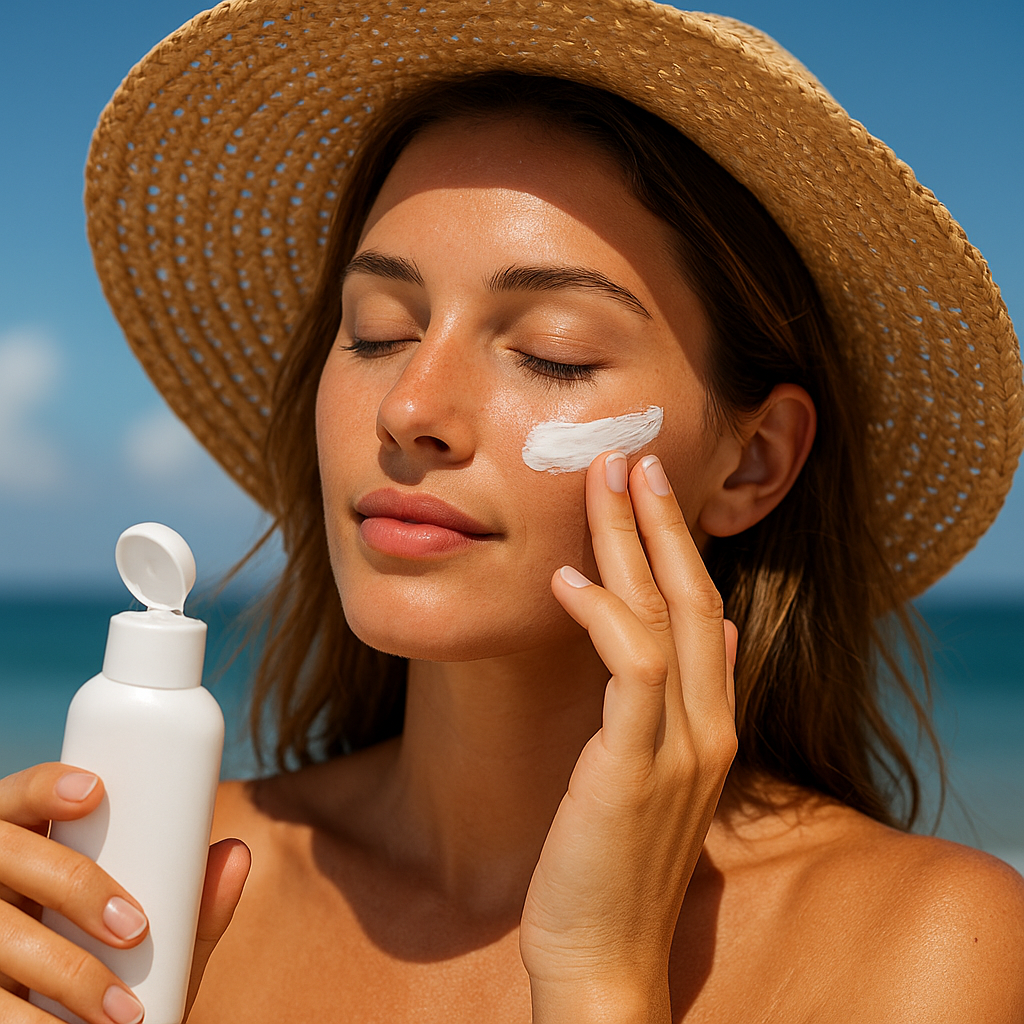
Understanding the Importance of Sun Protection
Sun protection is a crucial part of any skincare routine, regardless of age, gender, or skin type. Ultraviolet (UV) radiation from the sun can cause premature aging, sunburns, and even increase the risk of skin cancer. With the growing awareness of the dangers of UV exposure, the conversation around sun protection and SPF (Sun Protection Factor) has become more important than ever.
In this comprehensive guide, we’ll delve into the significance of sun protection, explain how SPF works, discuss the different types of sunscreens, and provide actionable tips to ensure your skin stays healthy and youthful.
What is SPF?
SPF stands for Sun Protection Factor, a measure that indicates how well a sunscreen will protect your skin from UVB rays—the type of ultraviolet radiation that causes sunburn and contributes to skin cancer. The SPF number tells you how long the sun’s UVB rays would take to redden your skin when using the product exactly as directed compared to the amount of time without sunscreen.
How Does SPF Work?
For example, if you use an SPF 30 sunscreen, it theoretically means you could be in the sun 30 times longer before getting sunburned than if you were not wearing any protection. However, this does not mean you can stay in the sun indefinitely. Sweating, swimming, and improper application can reduce a sunscreen’s effectiveness.
- SPF 15: Blocks about 93% of UVB rays
- SPF 30: Blocks about 97% of UVB rays
- SPF 50: Blocks about 98% of UVB rays
As the numbers increase, the incremental protection becomes smaller. No sunscreen can block 100% of UV rays.
Types of UV Radiation
Understanding the different types of UV radiation can help you choose the right sun protection:
- UVA: Penetrates deeply into the skin and is primarily responsible for premature aging and wrinkles.
- UVB: Causes sunburn and plays a key role in developing skin cancer.
- UVC: Mostly absorbed by the Earth’s atmosphere and does not typically reach the ground.
It is important to choose a sunscreen labeled as “broad-spectrum,” which means it protects against both UVA and UVB rays.
Types of Sunscreens: Chemical vs. Physical
There are two main categories of sunscreen: chemical and physical (mineral). Both are effective, but they work differently and suit different preferences and skin types.
Chemical Sunscreens
Chemical sunscreens absorb UV radiation and convert it into harmless heat, which is then released from the skin. Common active ingredients include avobenzone, oxybenzone, octocrylene, and octinoxate.
- Lightweight and easy to apply
- Less visible on the skin
- May irritate sensitive skin or eyes
Physical (Mineral) Sunscreens
Physical sunscreens use minerals such as zinc oxide and titanium dioxide to create a barrier that reflects and scatters UV rays away from the skin.
- Works immediately after application
- Less likely to irritate the skin
- Can leave a white cast, especially on darker skin tones
How to Choose the Right SPF
Selecting the right SPF depends on various factors, including your skin type, activities, and how long you plan to be outdoors. Dermatologists generally recommend using a broad-spectrum sunscreen with at least SPF 30 for daily use.
Key Considerations:
- Skin Type: Fair-skinned individuals burn more easily and may benefit from higher SPFs.
- Activity Level: Water-resistant formulas are ideal for swimming or sweating.
- Environment: Higher altitudes and reflective surfaces such as water, sand, or snow increase UV exposure, necessitating higher SPF and more frequent reapplication.
Proper Application of Sunscreen
Even the best sunscreen won’t protect you if it’s not applied correctly. Here are some tips to maximize your sun protection:
- Apply Generously: Use about one ounce (a shot glass full) to cover the entire body.
- Don’t Forget Key Areas: Ears, neck, tops of feet, and the back of hands are often neglected.
- Apply 15 Minutes Before Sun Exposure: This allows the sunscreen to fully bind to the skin.
- Reapply Every Two Hours: Or immediately after swimming, sweating, or towel drying.
Additional Sun Protection Strategies
While sunscreen is vital, combining it with other protective measures delivers the best results:
- Wear Protective Clothing: Long-sleeved shirts, wide-brimmed hats, and UV-blocking sunglasses provide extra defense.
- Seek Shade: Stay out of direct sunlight during peak hours (10 AM to 4 PM).
- Avoid Tanning Beds: These devices emit UVA and UVB rays, increasing skin cancer risk.
- Use Window Film: Special films on car and home windows can filter out harmful rays.
Common Myths About Sun Protection
Misconceptions about sun protection abound. Here are some facts to clear things up:
- You Don’t Need Sunscreen on Cloudy Days: Up to 80% of UV rays can penetrate clouds.
- Darker Skin Doesn’t Need Protection: While melanin offers some defense, all skin types can suffer UV damage and develop skin cancer.
- Makeup with SPF is Enough: Most makeup does not provide adequate coverage; apply sunscreen underneath for optimal protection.
The Long-Term Benefits of Sun Protection
Consistent sun protection does more than prevent sunburn. It preserves skin elasticity, reduces the risk of hyperpigmentation and age spots, and dramatically lowers the risk of skin cancer. By making sun protection a daily habit, you invest in the long-term health and appearance of your skin.
Conclusion
Sun protection and understanding SPF are essential for maintaining healthy, youthful skin. By choosing the right sunscreen, applying it correctly, and adopting comprehensive sun safety habits, you can enjoy the outdoors while minimizing the risks associated with UV exposure. Make sun protection a non-negotiable part of your daily routine—it’s one of the most effective ways to safeguard your skin’s future.