
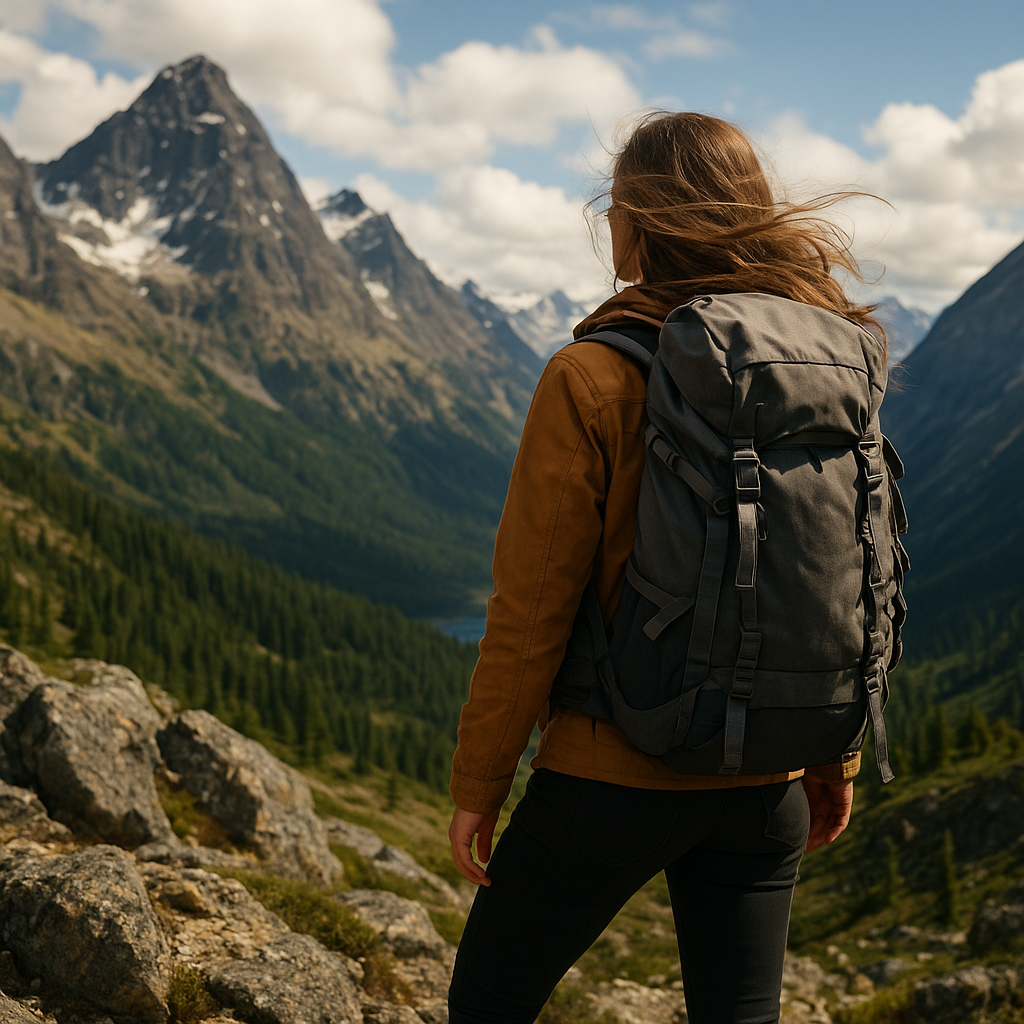
Introduction to Adventure Travel
In an era where experiences often trump material possessions, adventure travel has emerged as a compelling way to break free from routine and explore the world beyond traditional boundaries. Unlike conventional tourism, adventure travel is characterized by its focus on excitement, challenge, and the unknown. It’s an invitation to step out of your comfort zone, embrace the unfamiliar, and create memories that last a lifetime.
What Defines Adventure Travel?
Adventure travel is more than just visiting new places; it involves activities that require physical exertion, present an element of risk, and allow participants to connect with nature or unique cultures. Whether it’s scaling a mountain peak, diving into the depths of the ocean, or trekking through remote rainforests, adventure travel pushes personal boundaries and fosters a deeper appreciation for the planet.
- Physical Activity: Engages the body and mind, often including hiking, cycling, climbing, or paddling.
- Risk and Challenge: Involves a degree of uncertainty and requires preparation, adaptability, and courage.
- Cultural Immersion: Offers the chance to engage with local communities and traditions in authentic ways.
The Benefits of Stepping Beyond Your Comfort Zone
Taking the leap into adventure travel is not just about adrenaline. There are tangible benefits for body, mind, and spirit:
1. Personal Growth
Facing challenges head-on builds resilience and confidence. Whether it’s conquering a fear of heights or navigating unfamiliar terrain, you learn new skills and gain a sense of accomplishment.
2. Improved Health
Most adventure travel activities involve physical exercise, which improves cardiovascular health, strengthens muscles, and boosts overall well-being.
3. Deeper Connections
Adventure often brings travelers together, fostering strong bonds through shared experiences. It also paves the way to connect with local cultures in meaningful, respectful ways.
4. Environmental Awareness
Spending time in nature increases appreciation for the environment and reinforces the importance of conservation and sustainable travel practices.
Popular Adventure Travel Destinations
From snow-capped peaks to lush jungles, the world is full of destinations that cater to thrill-seekers. Here are some top spots for adventure travel:
- New Zealand: Known for bungee jumping, skydiving, and epic hiking trails like the Milford Track.
- Patagonia (Argentina & Chile): A paradise for trekkers and climbers, with dramatic landscapes and glaciers.
- Nepal: Home to the Himalayas, offering trekking, mountaineering, and rich cultural experiences.
- Namibia: Ideal for sandboarding, desert safaris, and wildlife encounters.
- Costa Rica: Renowned for ziplining, white-water rafting, and rainforest exploration.
Types of Adventure Travel
Adventure travel comes in many forms, catering to varying interests and fitness levels. Some of the most popular types include:
1. Trekking and Hiking
From day hikes to multi-day expeditions, trekking immerses travelers in natural beauty and tests endurance. Notable routes include the Inca Trail in Peru and the Annapurna Circuit in Nepal.
2. Water-Based Adventures
Activities such as kayaking, scuba diving, and white-water rafting offer thrills on and under the water. The Great Barrier Reef in Australia and the rivers of Costa Rica are hotspots for these pursuits.
3. Extreme Sports
For adrenaline junkies, skydiving, bungee jumping, paragliding, and rock climbing offer unparalleled excitement. Locations like Interlaken in Switzerland and Queenstown in New Zealand are global centers for extreme sports.
4. Wildlife and Safari Tours
Adventure can also mean venturing into the wild to witness animals in their natural habitats. African safaris, polar expeditions, and jungle tours allow for close encounters with nature.
Preparing for an Adventure Travel Experience
Proper preparation is key to a successful adventure travel experience. Here are essential tips to ensure safety and enjoyment:
- Research Your Destination: Understand the climate, terrain, local customs, and safety considerations.
- Get Physically Ready: Train for your chosen activity to ensure you’re fit and capable.
- Pack Wisely: Invest in quality gear relevant to your adventure, and always bring essentials like first aid kits, navigation tools, and appropriate clothing.
- Travel Insurance: Choose a policy that covers adventure activities and emergency evacuations.
- Respect the Environment and Cultures: Practice Leave No Trace principles and be mindful of local customs and traditions.
Responsible Adventure Travel
With the rise in popularity of adventure travel comes the responsibility to protect the environments and communities we visit. Sustainable practices ensure that these thrilling experiences remain available for future generations.
- Support Local Businesses: Choose local guides, accommodations, and services to contribute to the local economy.
- Minimize Environmental Impact: Stick to marked trails, avoid single-use plastics, and respect wildlife.
- Practice Ethical Tourism: Educate yourself on local issues, avoid exploitative activities, and seek authentic cultural exchanges.
Conclusion: Embrace the Adventure
Adventure travel offers more than just a break from the ordinary—it’s a transformative journey that challenges, inspires, and connects. By venturing beyond your comfort zone, you not only discover the world’s wonders but also unlock new facets of yourself. Whether you’re an experienced thrill-seeker or a curious newcomer, the call of adventure awaits. Take the leap, embrace the unknown, and let your next journey become the story you’ll tell for years to come.