
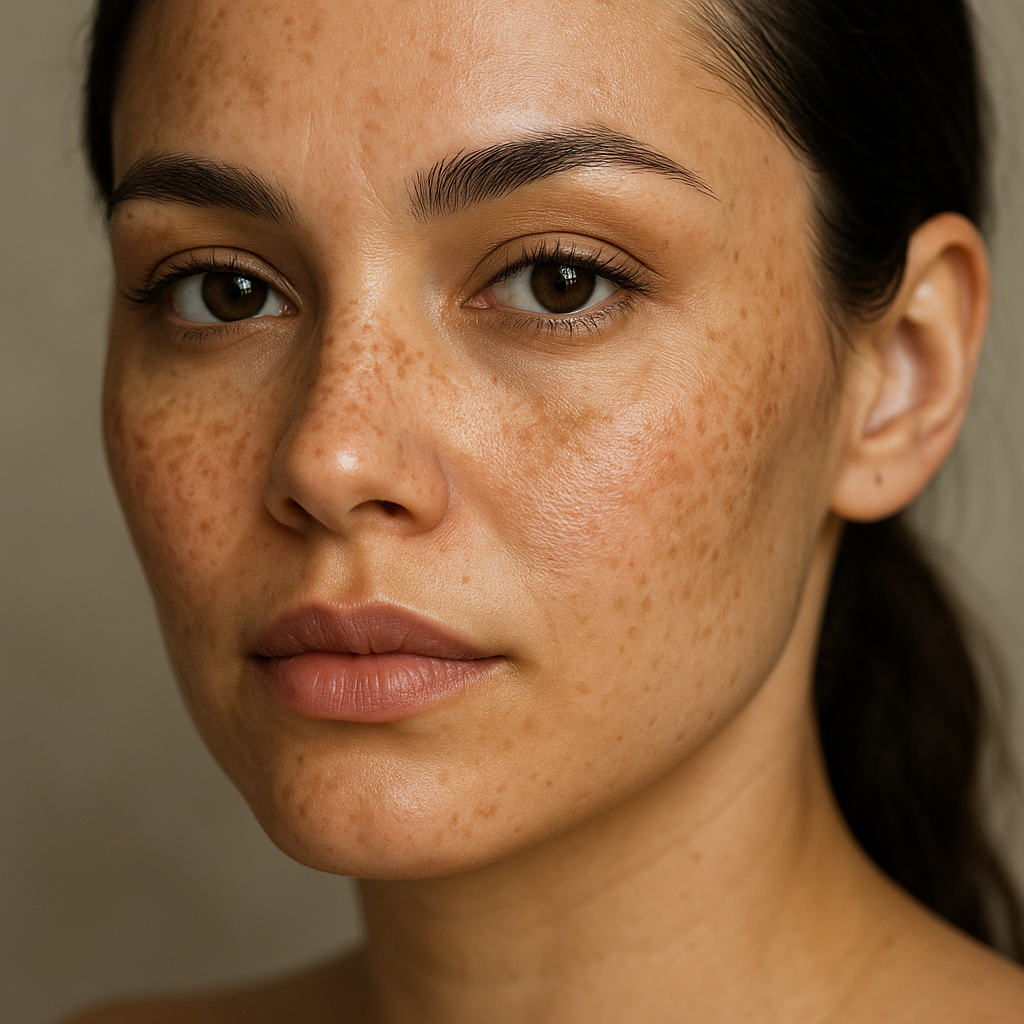
Introduction to Brightening & Hyperpigmentation
Hyperpigmentation is a common skin concern affecting millions of people worldwide. Characterized by darkened patches or spots on the skin, hyperpigmentation can impact one’s confidence and overall appearance. Fortunately, advancements in skincare have led to the development of effective brightening solutions. In this comprehensive guide, we delve into the causes of hyperpigmentation, explore the best brightening treatments, and offer preventive strategies to help you achieve a luminous, even-toned complexion.
What is Hyperpigmentation?
Hyperpigmentation refers to the darkening of an area of skin caused by excess melanin production. Melanin is the pigment responsible for the color of our skin, hair, and eyes. When specific skin cells (melanocytes) produce too much melanin, it leads to the formation of spots or patches that appear darker than the surrounding skin.
Types of Hyperpigmentation
- Sunspots (Solar Lentigines): Often called liver spots, these appear due to prolonged sun exposure, typically on areas like the face, hands, and arms.
- Melasma: Characterized by larger patches, melasma often affects women, especially during pregnancy or hormonal changes.
- Post-Inflammatory Hyperpigmentation (PIH): This occurs after skin injury or inflammation, such as acne, eczema, or cuts.
Causes of Hyperpigmentation
Understanding the underlying causes of hyperpigmentation is crucial for effective treatment. The primary factors include:
- Sun Exposure: Ultraviolet (UV) rays trigger excess melanin production, leading to sunspots and uneven skin tone.
- Hormonal Fluctuations: Changes during pregnancy, use of oral contraceptives, or hormone therapies can stimulate melanin production, resulting in melasma.
- Skin Injuries: Any trauma to the skin, including acne, burns, or cuts, can leave behind dark marks known as PIH.
- Genetics: Some individuals are genetically predisposed to developing hyperpigmentation.
- Certain Medications: Some drugs, like antibiotics or chemotherapy agents, can cause pigmentation changes as a side effect.
Brightening: The Solution for Hyperpigmentation
Skin brightening refers to the process of reducing the appearance of dark spots and enhancing overall skin radiance. Effective brightening treatments target excess melanin, encourage cell turnover, and protect against further pigmentation.
Topical Ingredients for Brightening
- Vitamin C: A potent antioxidant, vitamin C inhibits melanin production and promotes a brighter complexion.
- Niacinamide (Vitamin B3): Known for its anti-inflammatory and brightening properties, niacinamide helps fade dark spots and improves skin texture.
- Alpha Arbutin: Derived from plants, alpha arbutin is a gentle yet effective inhibitor of melanin synthesis.
- Hydroquinone: A prescription-strength ingredient, hydroquinone is considered the gold standard for treating stubborn hyperpigmentation.
- Azelaic Acid: This multi-functional ingredient reduces inflammation and inhibits melanin production, making it suitable for sensitive skin types.
- Retinoids: By accelerating cell turnover, retinoids help fade existing pigmentation and prevent new dark spots from forming.
- Kojic Acid: Produced by fungi, kojic acid is effective in inhibiting the formation of tyrosine, a precursor to melanin.
In-Clinic Treatments for Hyperpigmentation
For more severe or persistent cases, professional treatments performed by dermatologists or licensed estheticians may be necessary:
- Chemical Peels: These involve applying a chemical solution to exfoliate the skin and promote the growth of new, evenly pigmented cells.
- Laser Therapy: Different types of lasers target melanin in the skin, breaking down dark patches for a more uniform complexion.
- Microdermabrasion: This minimally invasive procedure mechanically exfoliates the skin, reducing the appearance of pigmentation and promoting cell renewal.
Preventing Hyperpigmentation
Prevention is key to maintaining an even skin tone and avoiding new dark spots. Incorporate these habits into your daily routine:
- Daily Sunscreen Use: Apply a broad-spectrum SPF 30 or higher every day, regardless of the weather, to protect against UVA and UVB rays.
- Avoid Peak Sun Hours: Limit sun exposure between 10 am and 4 pm when UV rays are strongest.
- Protective Clothing: Wear hats, sunglasses, and long-sleeved clothing when outdoors.
- Gentle Skincare: Avoid harsh scrubs or picking at blemishes to minimize post-inflammatory hyperpigmentation.
- Prompt Treatment of Skin Injuries: Treat acne, cuts, or rashes early to prevent pigmentary changes.
Brightening & Hyperpigmentation: Myths vs. Facts
- Myth: Hyperpigmentation will fade on its own.
Fact: Some forms may improve over time, but targeted treatments significantly accelerate fading. - Myth: Only people with darker skin tones get hyperpigmentation.
Fact: Hyperpigmentation affects all skin types, though it may be more noticeable in medium to dark skin. - Myth: Natural remedies are always safe.
Fact: Some DIY treatments (like lemon juice) can irritate the skin and worsen pigmentation.
Choosing the Right Brightening Products
Selecting the right products is essential for safe and effective results. Look for formulations that combine multiple brightening ingredients for a synergistic effect. Always perform a patch test and consult a dermatologist if you have sensitive skin or existing skin conditions.
Tips for Incorporating Brightening Products
- Start with one product at a time to monitor your skin’s response.
- Introduce actives like vitamin C or retinoids gradually to minimize irritation.
- Consistently use sunscreen, as some brightening ingredients can increase sun sensitivity.
- Maintain a gentle, hydrating skincare routine to support skin barrier health.
Conclusion
Brightening and hyperpigmentation treatments have come a long way, offering hope for those seeking clearer, more radiant skin. By understanding the causes and implementing science-backed solutions, you can effectively address dark spots and prevent future pigmentation issues. Remember, patience and consistency are key. Prioritize sun protection, choose the right brightening products, and seek professional guidance when necessary to achieve your healthiest, most luminous complexion yet.