
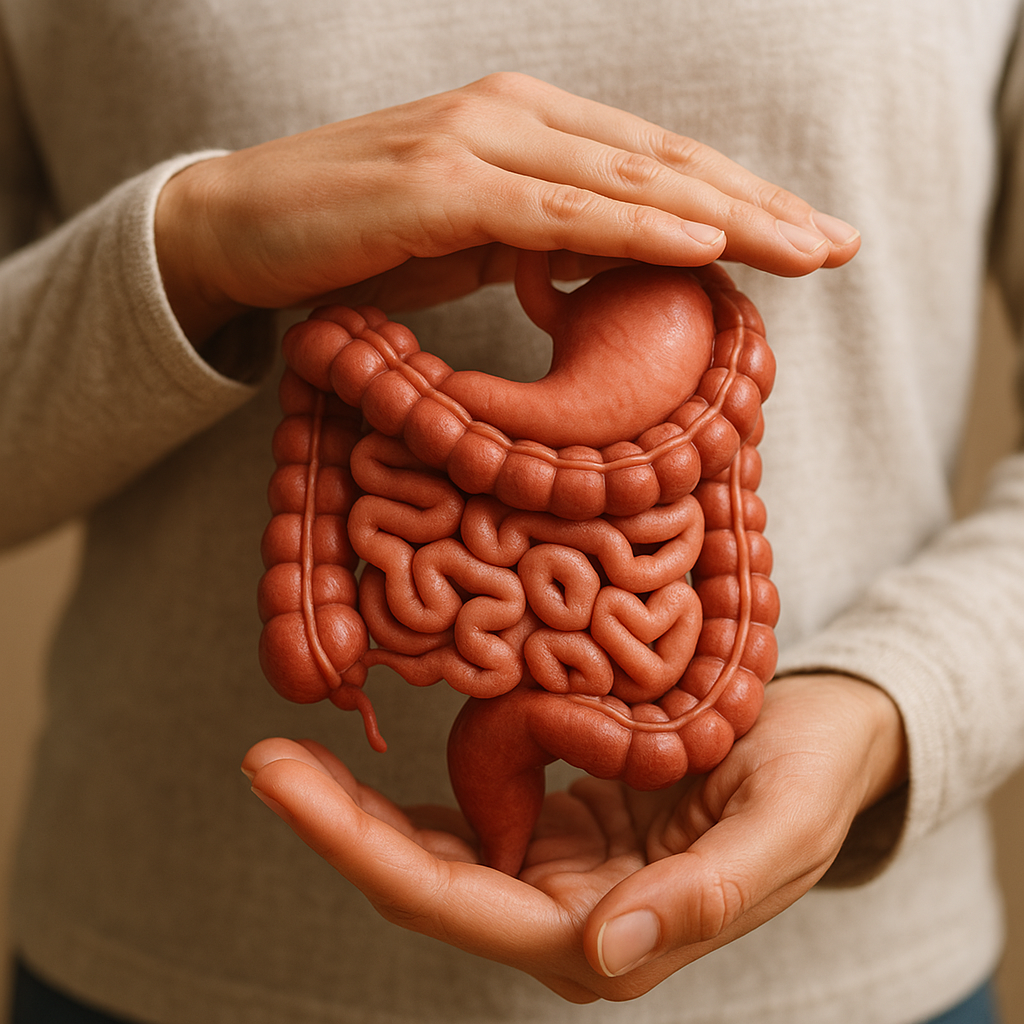
Understanding Gut Health and Its Importance
Gut health has emerged as a critical focus in the fields of nutrition, medicine, and wellness. The human gut, also known as the gastrointestinal (GI) tract, is home to trillions of microorganisms, collectively referred to as the gut microbiome. These bacteria, viruses, fungi, and other microbes play a vital role in digestion, nutrient absorption, immune function, and even mental health. Maintaining a healthy gut is essential for optimal digestion and has far-reaching effects on overall well-being.
The Gut Microbiome: An Overview
The gut microbiome consists of a diverse collection of microbial species, each contributing uniquely to digestive processes and health outcomes. A balanced microbiome helps break down food, synthesize essential nutrients, and protect against pathogens. Disruptions in this balance, often called dysbiosis, can lead to digestive disorders and other systemic health issues.
The Digestive Process Explained
Digestion is a complex process involving multiple organs and systems. It begins in the mouth, where enzymes in saliva start breaking down carbohydrates, and continues through the stomach and intestines. Key steps in digestion include:
- Mastication: Chewing food to increase its surface area.
- Enzymatic Breakdown: Saliva, stomach acid, and digestive enzymes break down macronutrients.
- Absorption: Nutrients are absorbed through the intestinal walls into the bloodstream.
- Excretion: Undigested waste is eliminated from the body.
Throughout this process, the gut microbiome assists in breaking down dietary fibers, producing beneficial compounds such as short-chain fatty acids (SCFAs), and supporting immune function.
Factors Affecting Gut Health
Several factors influence gut health and digestion, including diet, lifestyle, medications, and environmental exposures. Understanding these factors can help individuals make informed choices to support a healthy gut.
Diet and Nutrition
The foods we eat directly impact the composition and function of the gut microbiome. Diets rich in fiber, prebiotics, and probiotics foster a healthy microbial environment.
- Fiber: Found in fruits, vegetables, whole grains, and legumes, fiber promotes the growth of beneficial bacteria.
- Prebiotics: Non-digestible food components that stimulate the growth of healthy bacteria. Examples include garlic, onions, and bananas.
- Probiotics: Live beneficial bacteria present in fermented foods like yogurt, kefir, kimchi, and sauerkraut.
Lifestyle Factors
Regular exercise, adequate sleep, and stress management are also crucial for gut health. Chronic stress, for example, can alter gut motility and microbial balance, while physical activity has been shown to increase microbial diversity.
Medications and Gut Health
Certain medications, particularly antibiotics, can disrupt the gut microbiome by killing both harmful and beneficial bacteria. Long-term or unnecessary use of antibiotics should be avoided whenever possible and always under medical guidance.
Signs of an Unhealthy Gut
An unhealthy gut can manifest in a range of symptoms, including:
- Persistent bloating or gas
- Constipation or diarrhea
- Frequent heartburn or indigestion
- Unexplained fatigue
- Food intolerances
- Skin issues such as eczema or acne
- Weakened immune response
If you experience persistent digestive discomfort, it is advisable to consult a healthcare professional for proper diagnosis and management.
Strategies to Improve Gut Health
Enhancing gut health requires a holistic approach, focusing on both dietary and lifestyle modifications. Here are evidence-based strategies to promote optimal gut function:
1. Eat a Diverse, Plant-Rich Diet
A varied diet ensures that the gut microbiome is exposed to a wide range of nutrients, supporting microbial diversity and resilience. Aim to include:
- Colorful fruits and vegetables
- Whole grains
- Legumes and pulses
- Nuts and seeds
2. Incorporate Fermented Foods
Fermented foods like yogurt, kefir, miso, tempeh, and sauerkraut contain live cultures that can replenish and diversify gut bacteria.
3. Limit Highly Processed Foods
Processed foods, artificial sweeteners, and high-sugar diets can negatively impact the gut microbiome by promoting the growth of harmful bacteria and reducing beneficial species.
4. Manage Stress Levels
Chronic stress can disrupt gut-brain communication and microbial balance. Mindfulness practices, meditation, yoga, and regular exercise can help mitigate the effects of stress on digestion.
5. Stay Hydrated
Adequate water intake aids digestion by supporting the movement of food and waste through the GI tract, reducing the risk of constipation.
6. Get Sufficient Sleep
Poor sleep can negatively impact gut health. Aim for 7-9 hours of quality sleep per night to support both your microbiome and digestive processes.
The Gut-Brain Axis: A Two-Way Street
Recent research highlights the connection between the gut and the brain, known as the gut-brain axis. This bi-directional communication system involves neural, hormonal, and immune pathways. A healthy gut can positively influence mood, cognitive function, and mental health, while stress and emotional disturbances can, in turn, affect gut function.
Conclusion: Prioritizing Gut Health for Long-Term Wellness
Gut health and digestion are integral to overall health, affecting everything from nutrient absorption to immune defense and mental well-being. By adopting a balanced, fiber-rich diet, incorporating probiotics, managing stress, and maintaining healthy lifestyle habits, you can foster a thriving gut microbiome and support efficient digestion. Always consult with a healthcare professional before making significant changes to your diet or if you experience ongoing digestive symptoms. Investing in your gut health today can yield long-term benefits for your entire body.