
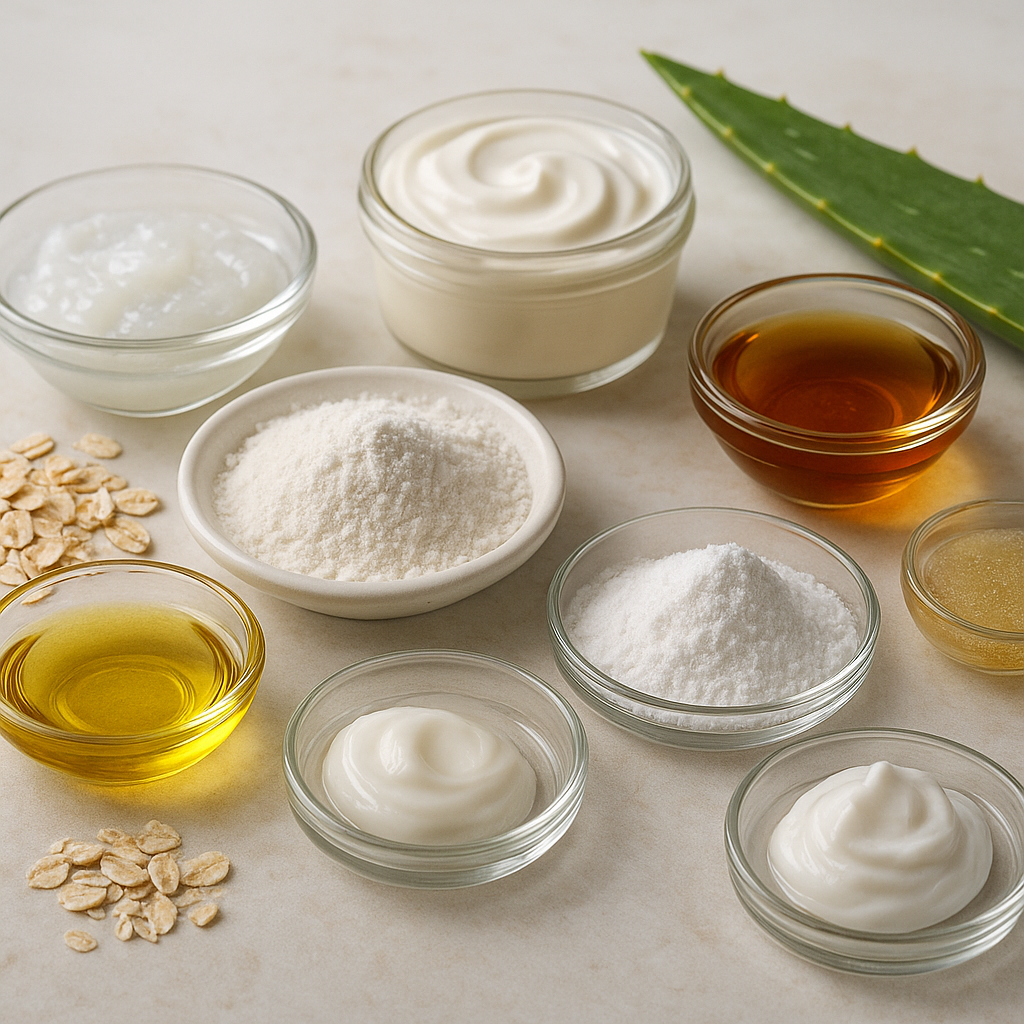
Introduction to Skincare Ingredients & Actives
In the ever-evolving world of skincare, understanding the ingredients that go into your products is essential for achieving healthy, radiant skin. With countless serums, creams, and treatments on the market, deciphering ingredient lists and identifying the most effective actives can be overwhelming. This comprehensive guide will delve into the key skincare ingredients and actives, explaining their benefits, how they work, and tips for incorporating them into your routine.
What Are Skincare Actives?
Skincare actives are ingredients in a product that are specifically formulated to target and address particular skin concerns. Unlike inactive ingredients, which may serve as carriers or stabilizers, actives have a direct effect on the skin’s appearance or function. Understanding which actives work best for your skin type and concerns can help you build an effective skincare regimen.
Active vs. Inactive Ingredients
- Active Ingredients: Provide therapeutic benefits and target concerns such as acne, pigmentation, or aging.
- Inactive Ingredients: Support the formula’s texture, stability, or delivery but do not have direct skincare benefits.
Common Skincare Actives and Their Benefits
Let’s explore some of the most popular and scientifically-backed actives found in modern skincare products.
1. Vitamin C (Ascorbic Acid)
- Benefits: Brightens the complexion, fades dark spots, and provides antioxidant protection against environmental damage.
- How It Works: Neutralizes free radicals, boosts collagen production, and inhibits melanin synthesis.
- Best For: Dullness, uneven skin tone, and early signs of aging.
2. Retinoids (Retinol, Retinaldehyde, Tretinoin)
- Benefits: Reduces fine lines, stimulates collagen, improves texture, and treats acne.
- How It Works: Increases cell turnover and promotes skin renewal at a cellular level.
- Best For: Aging concerns, acne-prone skin, and hyperpigmentation.
3. Hyaluronic Acid
- Benefits: Deeply hydrates the skin, plumps fine lines, and enhances skin elasticity.
- How It Works: Attracts and retains up to 1,000 times its weight in water within the skin.
- Best For: All skin types, especially dry or dehydrated skin.
4. Niacinamide (Vitamin B3)
- Benefits: Minimizes pores, regulates oil production, improves uneven skin tone, and strengthens the skin barrier.
- How It Works: Supports the skin’s natural barrier function and reduces inflammation.
- Best For: Oily, sensitive, or redness-prone skin.
5. Alpha Hydroxy Acids (AHAs: Glycolic Acid, Lactic Acid)
- Benefits: Exfoliate the surface, enhance radiance, and smooth skin texture.
- How It Works: Dissolve the bonds between dead skin cells, allowing for gentle chemical exfoliation.
- Best For: Dull, rough, or uneven skin.
6. Beta Hydroxy Acid (BHA: Salicylic Acid)
- Benefits: Unclogs pores, treats acne, and reduces inflammation.
- How It Works: Penetrates deep into pores to exfoliate and clear excess sebum.
- Best For: Oily, acne-prone, or congested skin.
7. Peptides
- Benefits: Stimulate collagen production, improve firmness, and support skin repair.
- How It Works: Short chains of amino acids signal the skin to produce more collagen and elastin.
- Best For: Aging skin, loss of firmness, or fine lines.
How to Choose the Right Actives for Your Skin Type
With so many active ingredients available, it’s important to tailor your skincare routine to your individual needs. Here are some tips for selecting the right actives:
- Identify Your Main Skin Concerns: Are you dealing with acne, pigmentation, aging, or sensitivity?
- Understand Your Skin Type: Oily, dry, combination, sensitive, or normal.
- Start Slowly: Introduce one active at a time to monitor how your skin reacts.
- Read Labels: Look for concentrations and supporting ingredients that enhance efficacy and minimize irritation.
Potential Side Effects and Best Practices
While actives can transform your skin, improper use may lead to irritation or sensitivity. Here’s how to use them safely:
- Patch Test: Always test new actives on a small area before applying to your entire face.
- Observe Frequency: Start with lower concentrations and increase usage gradually.
- Combine Wisely: Some actives, like retinoids and AHAs, can cause irritation if used together. Consult product guidelines or a dermatologist.
- Prioritize Sun Protection: Many actives (especially AHAs, BHAs, and retinoids) increase sun sensitivity. Use a broad-spectrum SPF daily.
Trending Skincare Ingredients for 2024
The skincare industry is constantly innovating. Here are some trending ingredients gaining popularity this year:
- Polyhydroxy Acids (PHAs): A gentler alternative to AHAs, suitable for sensitive skin.
- Bakuchiol: A plant-based retinol alternative that delivers anti-aging benefits with less irritation.
- Ceramides: Lipid molecules that restore and reinforce the skin barrier.
- Centella Asiatica (Cica): Calms inflammation and accelerates wound healing.
Building a Routine with Actives
A balanced skincare routine incorporates actives effectively without overwhelming your skin. Here’s a basic framework:
- Cleanser: Removes dirt and preps skin for actives.
- Toner (optional): Balances pH and offers light hydration.
- Serum: Delivers concentrated actives (e.g., vitamin C in the morning, retinol at night).
- Moisturizer: Locks in hydration and supports barrier repair.
- Sunscreen: Essential, especially when using exfoliants or retinoids.
Conclusion
Understanding skincare ingredients and actives is the key to crafting an effective regimen tailored to your unique skin needs. By choosing the right actives, using them safely, and staying informed about new innovations, you can achieve and maintain healthy, glowing skin. Always consult with a dermatologist for personalized advice, and remember that consistency and patience are essential to seeing long-lasting results.