
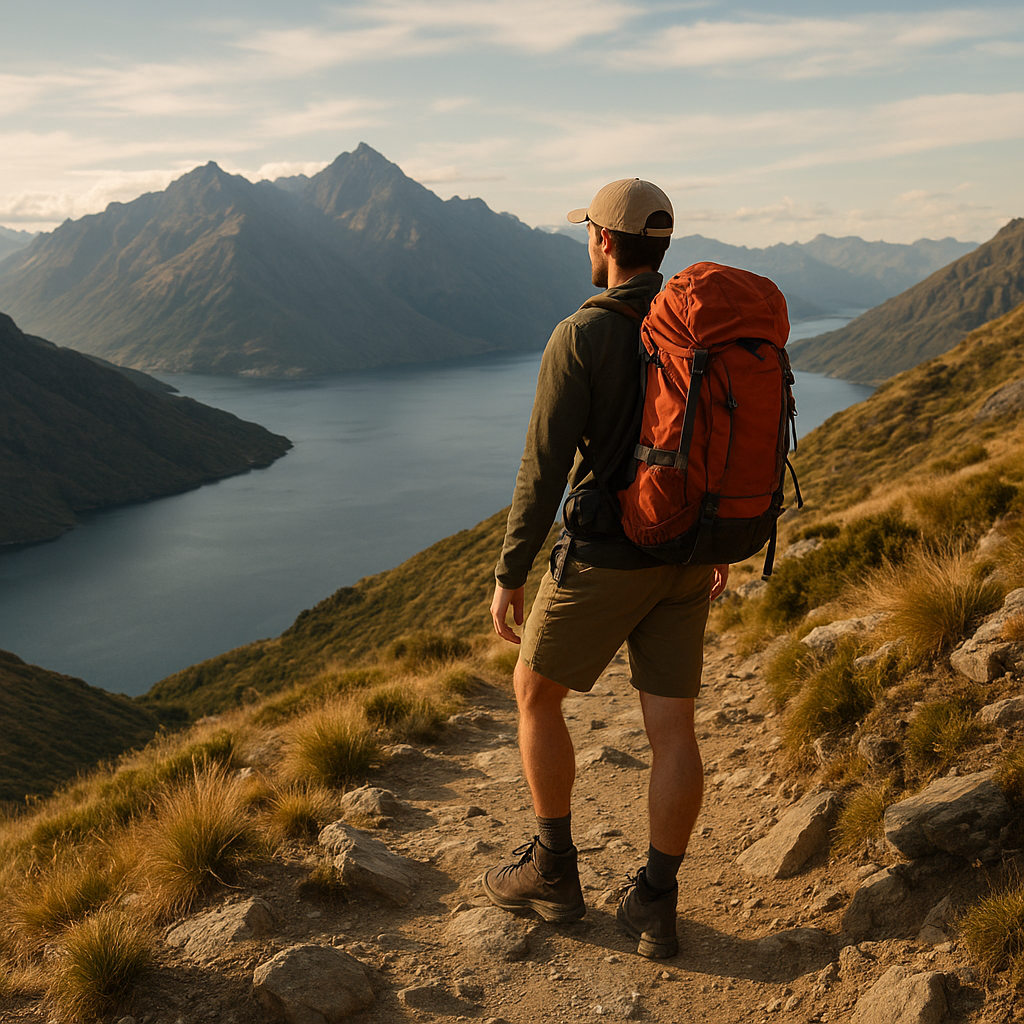
Introduction to Adventure Travel
Adventure travel has gained immense popularity over the past few decades, enticing thrill-seekers and nature lovers alike. Unlike conventional tourism, adventure travel is all about stepping out of your comfort zone, exploring uncharted territories, and embracing the unknown. Whether you are climbing majestic mountains, diving into the deep sea, or trekking through lush forests, adventure travel creates memories that last a lifetime.
What Is Adventure Travel?
Adventure travel refers to any travel experience that involves a certain degree of risk, physical activity, and specialized skills. It often takes place in remote locations and includes activities such as hiking, climbing, rafting, scuba diving, and more. The core of adventure travel is the pursuit of excitement, discovery, and personal growth.
Key Characteristics of Adventure Travel
- Physical Activity: Involves movement and exertion, from mild hiking to extreme sports.
- Risk and Challenge: Includes elements of unpredictability and personal challenge.
- Engagement with Nature: Often takes place in natural settings, promoting environmental awareness.
- Cultural Exchange: Offers opportunities to interact with local communities and learn about diverse cultures.
Popular Types of Adventure Travel
Adventure travel is a broad category encompassing a wide array of activities. Here are some of the most popular types:
1. Trekking and Hiking
Trekking and hiking are perhaps the most accessible forms of adventure travel. Destinations like the Inca Trail in Peru, the Himalayas in Nepal, and the Appalachian Trail in the United States attract thousands of hikers each year. These journeys provide an opportunity to witness breathtaking landscapes and immerse yourself in the local environment.
2. Water-Based Adventures
- Scuba Diving and Snorkeling: Explore the vibrant underwater world in locations such as the Great Barrier Reef or the Maldives.
- Whitewater Rafting: Tackle powerful rapids in rivers like the Colorado or Zambezi.
- Kayaking and Canoeing: Paddle through serene lakes or challenging sea routes.
3. Mountain Sports
- Rock Climbing: Scale dramatic cliffs in destinations such as Yosemite or Kalymnos.
- Mountaineering: Attempt iconic peaks like Mount Everest or Kilimanjaro.
- Skiing and Snowboarding: Experience adrenaline rushes in the Alps, Rockies, or Japanese powder fields.
4. Wildlife and Safari Adventures
For those passionate about wildlife, adventure travel often means embarking on safaris in Africa, tracking gorillas in Rwanda, or observing polar bears in the Arctic. These experiences foster a deep appreciation for conservation and biodiversity.
Benefits of Adventure Travel
Adventure travel offers numerous advantages beyond the thrill of the activity itself. Here are some of the key benefits:
- Physical Health: Engaging in physical activities improves fitness and overall health.
- Mental Wellbeing: Overcoming challenges builds confidence, reduces stress, and enhances mental resilience.
- Cultural Awareness: Exposure to different cultures and environments expands your worldview.
- Environmental Appreciation: Spending time in nature fosters a sense of stewardship for the planet.
Planning Your Adventure Travel Experience
Successful adventure travel requires careful preparation. Here are essential steps to ensure a safe and memorable journey:
1. Research Destinations
Choose locations that match your interests and skill level. Research climate, terrain, safety, and local regulations. Reliable sources include government travel advisories, travel blogs, and guidebooks.
2. Assess Your Fitness and Skills
Many adventure activities require a baseline of physical fitness and technical skills. Consider training or enrolling in courses for activities like mountaineering, scuba diving, or rock climbing.
3. Gear and Equipment
Invest in high-quality gear appropriate for your activity. This may include hiking boots, backpacks, water purification systems, or specialized safety equipment. Always prioritize safety and comfort.
4. Travel Insurance
Comprehensive travel insurance is essential, especially for high-risk activities. Ensure your policy covers medical evacuation, trip cancellations, and specific adventure sports.
5. Environmental and Cultural Responsibility
Practice Leave No Trace principles and respect local cultures. Support responsible tour operators that prioritize sustainability and community engagement.
Top Adventure Travel Destinations
- New Zealand: Renowned for its dramatic landscapes and adventure sports, from bungee jumping to glacier hiking.
- Patagonia, South America: Offers world-class trekking, climbing, and kayaking in a pristine wilderness setting.
- Norway: Home to fjords, mountains, and opportunities for skiing, hiking, and northern lights adventures.
- South Africa: Combines wildlife safaris with shark cage diving and hiking the Drakensberg Mountains.
- Canada: Vast wilderness areas for canoeing, hiking, skiing, and wildlife watching.
Adventure Travel Safety Tips
- Always inform someone about your itinerary and expected return.
- Carry a first-aid kit and know basic emergency procedures.
- Stay updated on weather conditions and local hazards.
- Travel with a guide for unfamiliar or high-risk activities.
- Respect wildlife and local customs to avoid unnecessary risks.
Conclusion
Adventure travel is more than just an adrenaline rush; it is a journey of self-discovery, cultural immersion, and environmental stewardship. By planning responsibly and embracing the spirit of adventure, travelers can unlock unforgettable experiences that enrich both body and soul. Whether you’re a seasoned adventurer or just beginning, the world of adventure travel awaits—offering endless opportunities to explore, challenge, and inspire.