
Understanding the Importance of Fitness & Exercise
Fitness and exercise are foundational elements for maintaining overall health and well-being. In today’s fast-paced world, where sedentary lifestyles and digital distractions are increasingly common, prioritizing physical activity is more crucial than ever. This comprehensive guide explores the benefits of fitness, the various types of exercise, and practical steps to help you embark on your fitness journey.
The Benefits of Regular Exercise
Physical Health Advantages
- Weight Management: Regular exercise helps control body weight by burning calories and increasing metabolism.
- Heart Health: Engaging in physical activity strengthens the heart, lowers blood pressure, and reduces the risk of cardiovascular diseases.
- Muscle and Bone Strength: Resistance training and weight-bearing exercises improve muscle tone and bone density, reducing the risk of osteoporosis.
- Improved Immunity: Moderate exercise boosts the immune system, making it easier to fend off illness.
Mental and Emotional Well-being
- Stress Relief: Physical activity stimulates the production of endorphins, which are natural mood lifters.
- Better Sleep: Regular exercise can help improve sleep quality and duration.
- Enhanced Cognitive Function: Exercise increases blood flow to the brain, supporting memory and learning.
Types of Fitness and Exercise
Understanding the different types of exercise is essential for creating a balanced and effective fitness routine. Each category offers unique benefits and targets various aspects of health.
1. Aerobic (Cardio) Exercise
Aerobic exercises elevate your heart rate and breathing. They are essential for cardiovascular health and endurance.
- Examples: Running, brisk walking, cycling, swimming, dancing
- Benefits: Improves heart and lung function, aids weight loss, increases stamina
2. Strength Training
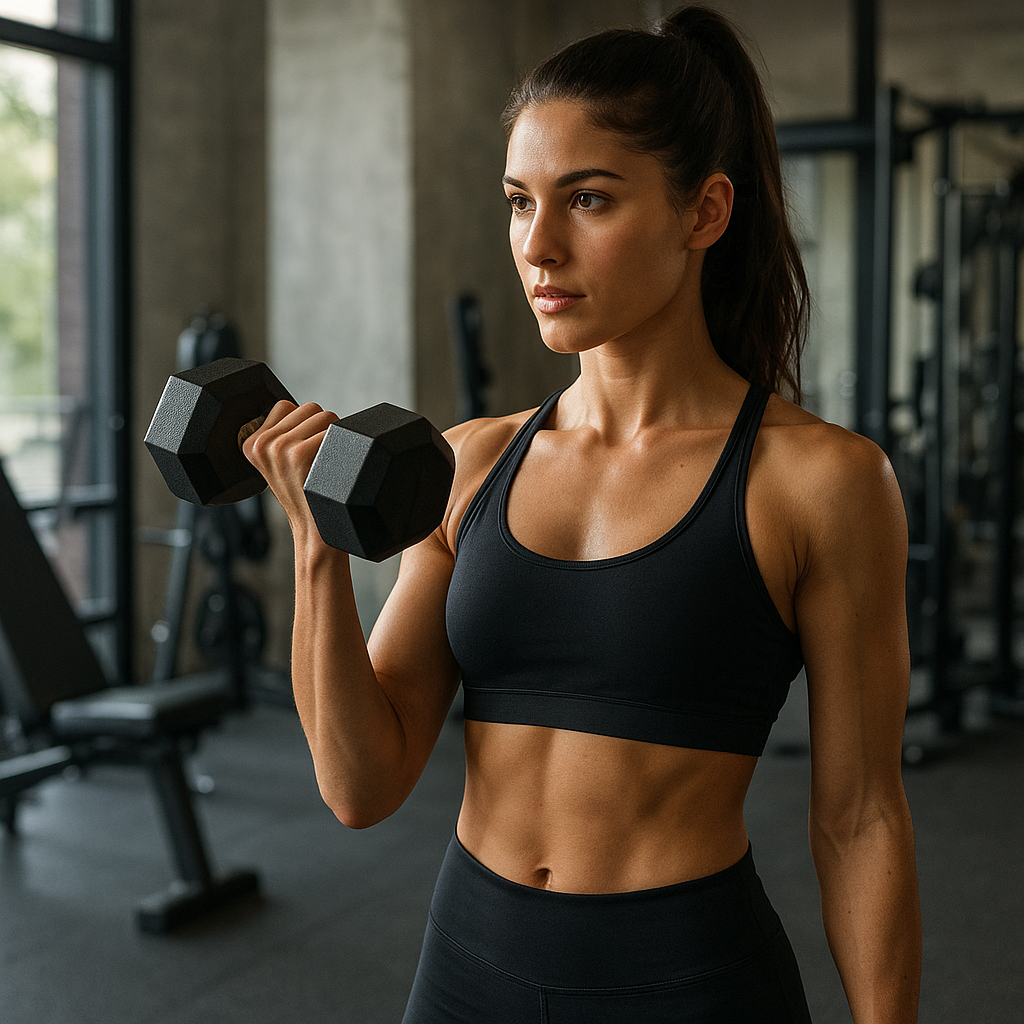
Strength or resistance training focuses on building muscle mass and strength.
- Examples: Weightlifting, bodyweight exercises (push-ups, squats), resistance band workouts
- Benefits: Enhances muscle tone, boosts metabolism, strengthens bones
3. Flexibility and Mobility Exercises
Flexibility exercises improve the range of motion in your joints and muscles.
- Examples: Yoga, stretching routines, Pilates
- Benefits: Reduces injury risk, improves posture, alleviates muscle soreness
4. Balance and Coordination Exercises
Balance training is particularly important for older adults but benefits individuals of all ages.
- Examples: Tai Chi, balance drills, stability ball exercises
- Benefits: Prevents falls, enhances athletic performance, supports functional movement
How to Get Started with Fitness & Exercise
Assess Your Fitness Level
Before beginning a new exercise program, it’s helpful to assess your current fitness level. Consider factors such as:
- Current activity levels
- Medical conditions or injuries
- Personal fitness goals
Set Realistic Goals
Establishing clear, achievable goals will help keep you motivated. Use the SMART goal framework:
- Specific: Clearly define what you want to achieve.
- Measurable: Track your progress with objective metrics.
- Achievable: Set attainable goals based on your current fitness level.
- Relevant: Ensure your goals align with your values and lifestyle.
- Time-bound: Set a deadline for reaching your goals.
Create a Balanced Exercise Routine
A well-rounded fitness program incorporates all key exercise types:
- Cardio: Aim for at least 150 minutes of moderate aerobic activity per week.
- Strength Training: Include resistance exercises 2-3 times per week.
- Flexibility: Stretch major muscle groups at least twice a week.
- Balance: Add balance exercises, especially if you are older or at risk of falling.
Start Slow and Progress Gradually
If you’re new to exercise, begin with low-intensity activities and gradually increase the duration and intensity. This approach helps prevent injury and improves long-term adherence.
Listen to Your Body
Pay attention to how your body responds to exercise. Rest when needed, and consult a healthcare provider if you experience pain or discomfort.
Tips for Staying Motivated
- Find Activities You Enjoy: You’re more likely to stick with a routine if you enjoy the exercises.
- Workout with a Partner: Exercising with a friend can boost accountability and make workouts more enjoyable.
- Track Your Progress: Use fitness apps, journals, or wearable devices to monitor your achievements.
- Reward Yourself: Celebrate milestones to maintain motivation.
Common Barriers and How to Overcome Them
Lack of Time
Busy schedules are a common obstacle. Try these strategies:
- Break workouts into shorter sessions throughout the day
- Make physical activity part of your daily routine (e.g., walking during lunch breaks)
Plateaus and Boredom
Vary your workouts to stay engaged and continue making progress. Try new activities or join group classes.
Injury or Health Concerns
Consult a healthcare professional before starting a new exercise program if you have medical conditions or concerns.
Conclusion: Make Fitness a Lifelong Commitment
Fitness and exercise are vital for a healthy, fulfilling life. By understanding the benefits, exploring different types of exercise, and following practical tips, you can create a sustainable routine that supports your long-term health goals. Remember, the key to success is consistency—start small, progress gradually, and make fitness an enjoyable part of your lifestyle.