
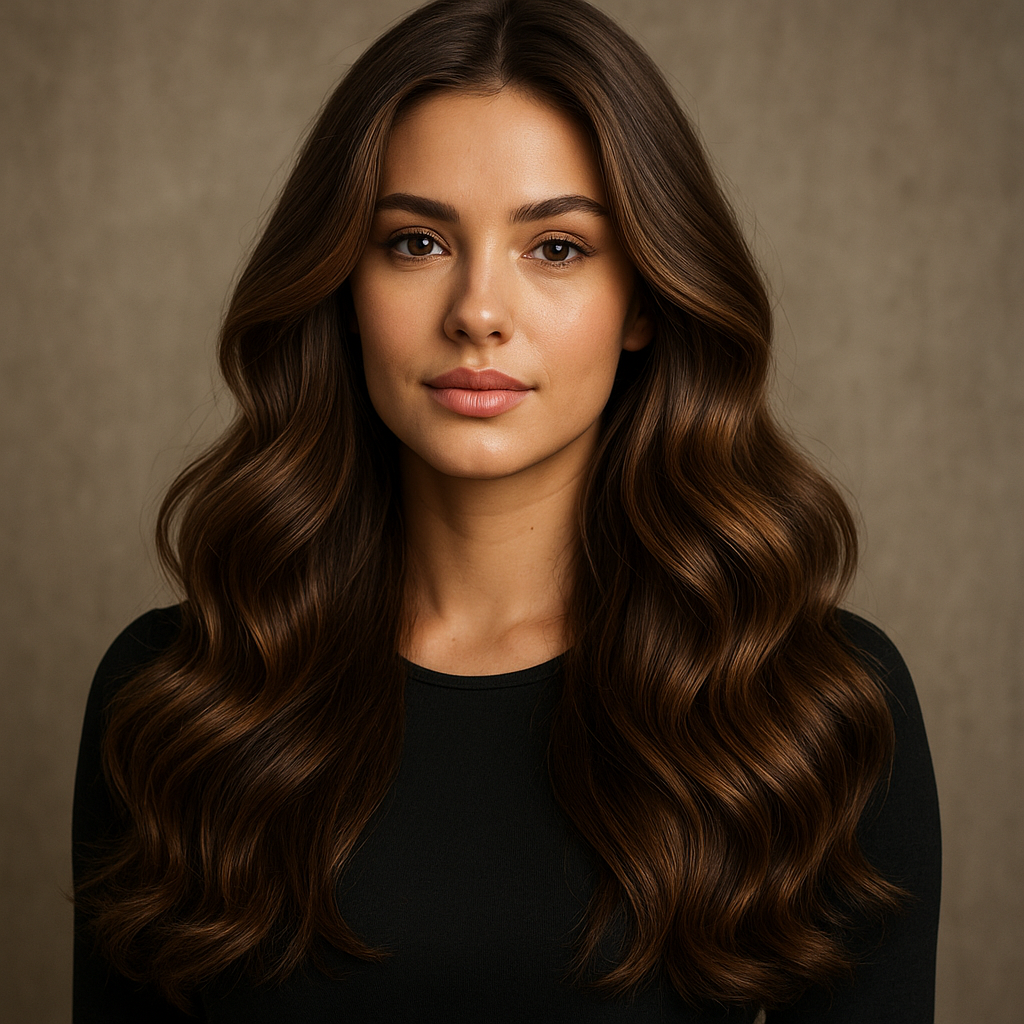
Introduction to Hair Care & Hairstyles
Beautiful, healthy hair is more than just a fashion statement—it’s a reflection of your overall well-being and confidence. Whether you’re looking to revitalize your hair care routine or searching for the perfect hairstyle to complement your personality, understanding the fundamentals of hair care and staying updated on the latest hairstyle trends are essential. In this comprehensive guide, we’ll explore hair care best practices, discuss popular hairstyles, and provide actionable tips to help you achieve and maintain your best hair ever.
Understanding Hair Types and Their Needs
Hair care is not a one-size-fits-all journey. Each hair type—straight, wavy, curly, or coily—has unique needs and challenges. Identifying your hair type is the first step to tailoring a regimen that works for you.
- Straight Hair: Usually shiny and resilient, but prone to oiliness. Requires lightweight, volumizing products.
- Wavy Hair: Can be frizz-prone and needs moisture, but not heavy products that weigh it down.
- Curly Hair: Often dry and susceptible to breakage. Needs intense hydration, gentle handling, and curl-defining products.
- Coily Hair: Very fragile and dry. Benefits from deep conditioning, protective styles, and minimal manipulation.
Essential Hair Care Tips for Healthy Hair
Regardless of your hair type, some universal hair care principles apply. Adopting these habits can help you maintain strong, healthy hair and prevent common issues like breakage, split ends, and dullness.
- Cleanse Wisely: Use sulfate-free shampoos and avoid over-washing to prevent stripping your hair of natural oils.
- Condition Regularly: Apply conditioner after every wash, focusing on the mid-lengths and ends to restore moisture and improve manageability.
- Protect from Heat: Limit the use of heat styling tools, and always apply a heat protectant spray before blow-drying, curling, or straightening.
- Minimize Chemical Treatments: Frequent coloring, perming, or relaxing can weaken hair. Space out treatments and opt for professional services when possible.
- Trim Regularly: Schedule trims every 6–8 weeks to keep split ends at bay and promote healthy growth.
- Eat a Balanced Diet: Hair health starts from within. Ensure your diet includes plenty of protein, vitamins, and minerals to support strong, shiny hair.
Trending Hairstyles for Every Occasion
The right hairstyle can enhance your features, reflect your mood, and even boost your confidence. Here are some of the top hairstyle trends for 2024, along with tips for choosing the best look for your hair type and lifestyle.
1. Effortless Waves
Loose, beachy waves remain a favorite for their natural, carefree look. Achieve this style with a curling wand or braiding damp hair overnight. Use a texturizing spray to add volume and hold.
2. Sleek High Ponytails
Polished high ponytails are ideal for both casual and formal occasions. Use a smoothing serum to control flyaways and wrap a section of hair around the base for an elegant finish.
3. Curtain Bangs
Curtain bangs are versatile and flatter most face shapes. They add softness and dimension, working well with straight, wavy, or curly hair. Ask your stylist for longer, face-framing layers for easy maintenance.
4. Bob and Lob Cuts
The classic bob and its longer counterpart, the lob, are timeless choices. These styles work for all hair textures and can be tailored with layers or blunt ends to suit your personal style.
5. Protective Styles
Braids, twists, and buns are not only stylish but also help protect hair from breakage and environmental damage. These styles are especially beneficial for curly and coily hair types.
Common Hair Care Mistakes to Avoid
Even with the best intentions, certain habits can sabotage your hair care efforts. Avoid these common mistakes to keep your hair looking its best:
- Using harsh, sulfated shampoos that strip away natural oils.
- Brushing wet hair with a fine-tooth comb, which can cause breakage—opt for a wide-tooth comb instead.
- Towel-drying hair with vigorous rubbing, leading to frizz and split ends—blot gently instead.
- Skipping heat protectant sprays before styling with hot tools.
- Neglecting the scalp—healthy hair starts at the root, so treat your scalp with care.
Building a Personalized Hair Care Routine
Your ideal hair care routine should be tailored to your hair type, concerns, and lifestyle. Here’s a simple framework to help you get started:
- Cleanse: Shampoo as needed based on your hair type and activity level.
- Condition: Use a daily conditioner and add a weekly deep conditioning mask.
- Moisturize: Apply leave-in conditioners or oils to lock in hydration, especially for dry or curly hair.
- Protect: Use heat protectants and protective styles as needed.
- Style: Select hairstyles that suit your hair health and the occasion.
Conclusion: Embrace Your Best Hair
Achieving healthy, beautiful hair is a combination of proper care, the right products, and smart styling choices. By understanding your hair type, avoiding common mistakes, and staying updated on the latest hairstyle trends, you can create a hair care routine that works for you. Remember, the best hairstyle is one that makes you feel confident and comfortable—so don’t be afraid to experiment and embrace your unique hair journey.
Frequently Asked Questions (FAQs)
- How often should I wash my hair? It depends on your hair type and lifestyle. Most people find 2–3 times per week is sufficient, but oily hair may require more frequent washing.
- What’s the best way to prevent split ends? Regular trims, minimizing heat styling, and using nourishing conditioners can help prevent split ends.
- Can I change my hair type? Hair type is largely determined by genetics, but you can enhance or manage texture with the right products and styling techniques.