
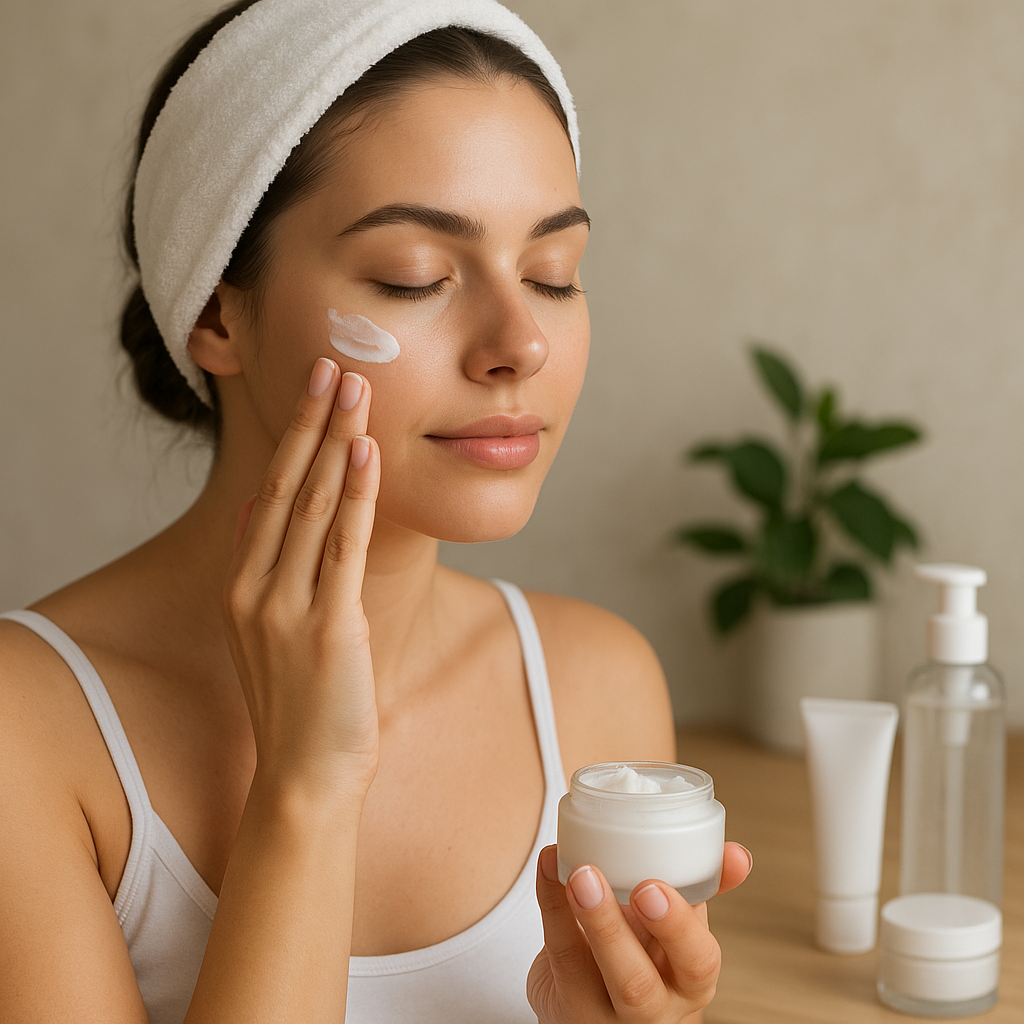
Understanding the Importance of a Skincare Routine
Maintaining healthy, radiant skin is not only about genetics or occasional treatments—it’s about consistency and the right skincare routine. Establishing a tailored skincare regimen can help address your unique skin concerns, prevent premature aging, and promote long-term skin health. In this comprehensive guide, we will break down the essential steps of a skincare routine, highlight tips for different skin types, and recommend best practices for optimal results.
The Fundamental Steps of a Skincare Routine
While individual needs may vary, most effective skincare routines follow a similar structure. Here are the core steps:
- Cleansing: Removes dirt, oil, makeup, and impurities from the skin.
- Toning: Balances the skin’s pH and preps it for subsequent products.
- Treatment: Targets specific concerns such as acne, hyperpigmentation, or aging (serums, essences, ampoules).
- Moisturizing: Hydrates and locks in moisture, supporting the skin barrier.
- Sun Protection: Shields the skin from harmful UV rays, reducing the risk of damage and aging.
Step 1: Cleansing
Cleansing is the foundation of any skincare regime. Use a gentle cleanser suitable for your skin type—gel-based for oily skin, cream-based for dry skin, or micellar water for sensitive skin. Cleanse twice daily, in the morning and evening, to maintain clear pores and prevent breakouts.
Step 2: Toning
Once cleansed, apply a toner to balance the skin’s pH and remove any residual dirt or makeup. Toners can also deliver additional benefits, such as hydration, soothing, or exfoliation, depending on the formulation. Opt for alcohol-free toners to avoid excessive drying.
Step 3: Treatment Products
This step targets specific skin issues. Serums and essences are concentrated formulas packed with active ingredients like vitamin C, hyaluronic acid, or retinol. Choose products based on your main concerns—brightening, anti-aging, hydration, or acne control. Apply these treatments immediately after toning for maximum absorption.
Step 4: Moisturizing
Regardless of your skin type, moisturizing is essential. Moisturizers help reinforce the skin’s natural barrier and prevent water loss. For oily or acne-prone skin, opt for oil-free, non-comedogenic formulas. For dry skin, look for rich creams with ingredients like ceramides and shea butter.
Step 5: Sun Protection
Daily sunscreen use is the most effective way to prevent premature aging, dark spots, and skin cancer. Choose a broad-spectrum sunscreen with SPF 30 or higher, and apply it as the last step of your morning routine. Reapply throughout the day when exposed to the sun.
Adapting Your Routine to Your Skin Type
Your skin type—whether oily, dry, combination, sensitive, or normal—should guide your product choices and routine structure. Here’s how to tailor your skincare routine:
- Oily Skin: Use lightweight, oil-free cleansers and moisturizers. Incorporate salicylic acid or niacinamide to regulate sebum production.
- Dry Skin: Opt for hydrating cleansers and rich creams. Look for ingredients like hyaluronic acid and glycerin.
- Combination Skin: Balance is key. Use gentle cleansers and apply lightweight moisturizers, focusing richer products on dry areas.
- Sensitive Skin: Choose fragrance-free and hypoallergenic products. Test new products on a small skin patch first.
- Normal Skin: Maintain balance with gentle, hydrating products and regular sun protection.
Advanced Skincare Steps
Once the basics are established, you may want to incorporate additional steps to further enhance your routine:
- Exfoliation: Sloughs off dead skin cells to reveal smoother, brighter skin. Use chemical exfoliants (AHAs, BHAs) or gentle physical scrubs 1-2 times per week.
- Masks: Provide targeted treatment for hydration, purifying, or soothing. Use 1-3 times weekly as needed.
- Eye Creams: Address concerns like puffiness, dark circles, or fine lines. Apply gently around the eye area.
Common Skincare Mistakes to Avoid
Even the best routines can falter due to common missteps. Avoid these pitfalls to ensure your skin thrives:
- Over-exfoliating: Too much exfoliation can damage the skin barrier and cause irritation.
- Skipping sunscreen: Sun exposure is the leading cause of premature aging and skin cancer.
- Using incompatible products: Some active ingredients can cause irritation or cancel each other out. For example, avoid using retinol and vitamin C together.
- Changing products too frequently: Give your skin time to adjust (about 4-6 weeks) before evaluating results.
Frequently Asked Questions About Skincare Routines
How long does it take to see results from a skincare routine?
Results vary depending on the products and concerns addressed, but generally, noticeable improvements can be seen within 4-8 weeks of consistent use.
Can I skip steps in my routine?
While some steps may be optional, cleansing, moisturizing, and sun protection are non-negotiable for healthy skin. Treatments and toners can be tailored to your needs.
Should I change my routine with the seasons?
Yes, environmental changes can affect your skin. For example, you may need richer moisturizers in winter and lighter formulas in summer.
Best Practices for a Successful Skincare Routine
- Be consistent—stick to your routine daily for the best results.
- Introduce new products gradually to monitor for reactions.
- Always remove makeup before bed to prevent clogged pores.
- Stay hydrated and maintain a balanced diet to support skin health from within.
- Consult a dermatologist for persistent or severe skin concerns.
Conclusion
A well-crafted skincare routine is a powerful tool for maintaining healthy, glowing skin at any age. By understanding your skin’s needs, following a structured regimen, and avoiding common mistakes, you can achieve and maintain your skin goals. Remember, consistency and patience are key—your skin will thank you for it.