
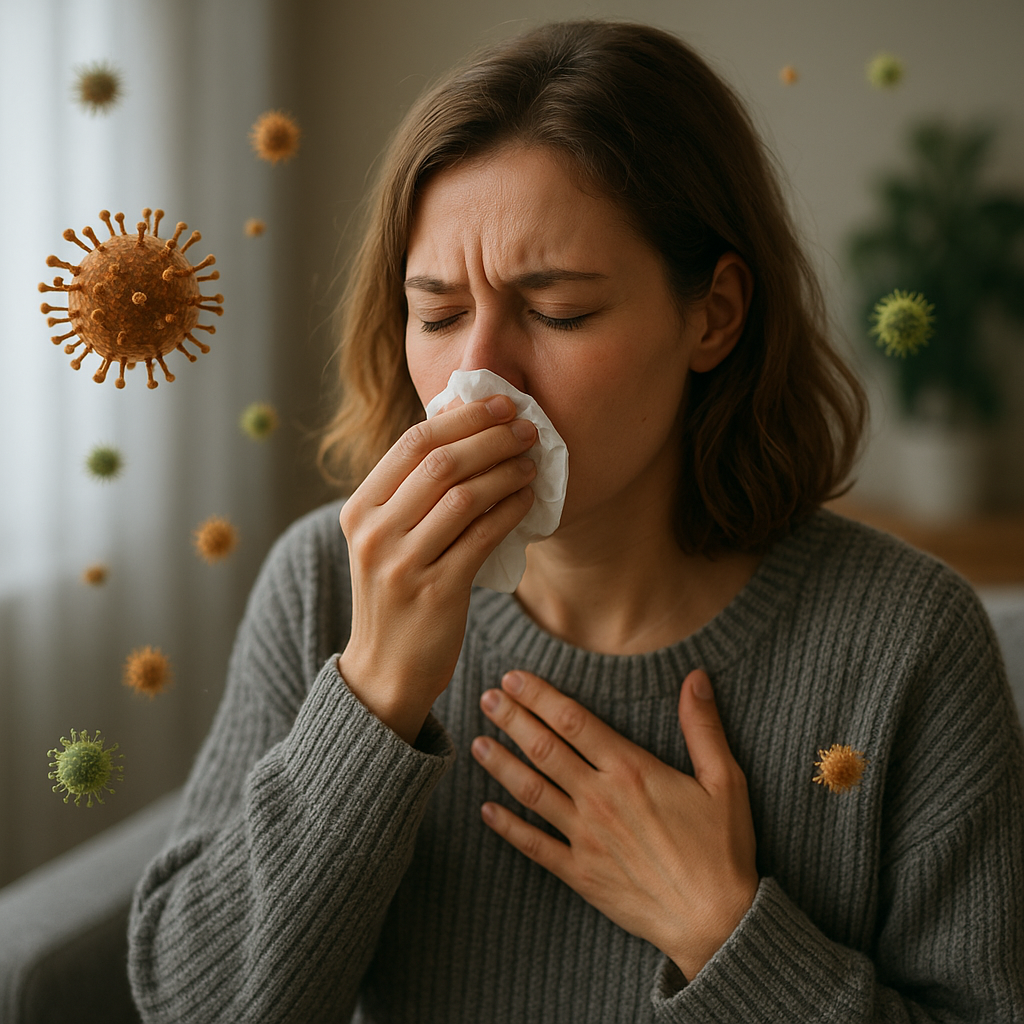
Introduction to Seasonal Diseases
Seasonal diseases are health conditions that tend to occur or intensify during specific times of the year. These diseases are often linked to environmental changes such as fluctuations in temperature, humidity, and precipitation. Understanding the patterns, causes, and preventive measures of seasonal diseases is crucial for effective public health management and personal well-being.
Common Types of Seasonal Diseases
There are several diseases that are more prevalent during certain seasons. Here are some of the most common:
- Influenza (Flu): Predominant in winter, caused by the influenza virus.
- Common Cold: Viral infections peaking in colder months.
- Allergies: Such as hay fever, mainly in spring and fall due to pollen.
- Dengue and Malaria: More common during and after the rainy season in tropical regions.
- Chickenpox: Incidence increases in late winter and early spring.
- Asthma Exacerbations: Can be triggered by changes in weather or high pollen counts.
- Norovirus and Rotavirus: Gastrointestinal viruses more common in winter.
Causes of Seasonal Diseases
Environmental Factors
Environmental changes play a significant role in the occurrence of seasonal diseases. For instance, cold weather can suppress the immune system and promote close contact among individuals indoors, facilitating the spread of respiratory viruses. Meanwhile, increased rainfall provides breeding grounds for mosquitoes, leading to a rise in vector-borne diseases like dengue and malaria.
Allergens and Pollutants
Pollen, mold spores, and dust mites are common allergens that are more prevalent in certain seasons, leading to a spike in allergic reactions and asthma cases. Air pollution levels can also fluctuate seasonally, aggravating respiratory diseases.
Human Behavior
Seasonal festivals, travel, and gatherings can increase the chances of disease transmission. Additionally, changes in clothing and dietary habits during different seasons can influence susceptibility to certain illnesses.
Symptoms and Diagnosis
The symptoms of seasonal diseases vary widely depending on the specific condition. However, some common signs include:
- Fever and chills
- Cough and sore throat
- Runny or congested nose
- Body aches
- Fatigue
- Difficulty breathing (in severe cases)
- Skin rashes (for diseases like chickenpox and dengue)
Diagnosis is based on clinical evaluation and, in some cases, laboratory tests such as blood tests, throat swabs, or imaging studies.
Prevention Strategies
Vaccination
Vaccines are a powerful tool in preventing many seasonal diseases, especially influenza and chickenpox. Annual flu vaccination is recommended for all age groups, particularly the elderly, pregnant women, and those with chronic health conditions.
Personal Hygiene
- Regular handwashing with soap and water
- Using hand sanitizers when soap is unavailable
- Covering mouth and nose while sneezing or coughing
- Wearing masks in crowded or high-risk areas
Environmental Controls
- Eliminating stagnant water to prevent mosquito breeding
- Using insect repellents and mosquito nets
- Keeping living spaces clean and well-ventilated
- Using air purifiers during high pollen or pollution seasons
Lifestyle Modifications
- Wearing appropriate clothing for the season
- Maintaining a balanced diet rich in vitamins and minerals
- Staying hydrated
- Getting adequate sleep and exercise to boost immunity
Management and Treatment
Medical Interventions
The treatment for seasonal diseases depends on the underlying cause. Viral illnesses like influenza and the common cold often require supportive care, such as rest, fluids, and over-the-counter medications. Bacterial infections may need antibiotics, while diseases like malaria and dengue require specific medications and supportive therapies.
Home Remedies
Some mild seasonal diseases can be managed at home with remedies such as herbal teas, steam inhalation, and saline nasal drops. However, it’s important to consult a healthcare professional if symptoms are severe or persist.
When to Seek Medical Help
While many seasonal diseases are mild and self-limiting, certain warning signs indicate the need for immediate medical attention:
- High fever persisting for more than three days
- Difficulty breathing or chest pain
- Persistent vomiting or diarrhea
- Severe headache or neck stiffness
- Rash with bleeding or bruising (possible dengue)
Public Health Measures
Governments and health organizations play a vital role in controlling seasonal diseases through:
- Conducting vaccination drives
- Running awareness campaigns
- Monitoring outbreaks and issuing timely alerts
- Implementing vector control programs
Conclusion
Seasonal diseases are a recurring challenge that can impact individuals and communities worldwide. By understanding their causes, recognizing symptoms, practicing preventive measures, and seeking timely treatment, the burden of these diseases can be significantly reduced. Staying informed and proactive, especially during high-risk seasons, is the key to maintaining good health year-round.