
Introduction to Global Cultural Experiences
Traveling is much more than just sightseeing; it is an opportunity to immerse oneself in diverse cultures and traditions. Around the globe, countless unique cultural experiences await those willing to step out of their comfort zones and embrace the unfamiliar. From vibrant festivals to ancient rituals, these experiences offer insights into the heart and soul of destinations. This blog post explores some of the most distinctive cultural encounters that travelers can enjoy across continents.
Festivals That Tell Stories
La Tomatina, Spain
Held annually in the town of Buñol, La Tomatina is the world’s largest tomato fight. Every August, thousands gather to hurl overripe tomatoes at one another, transforming the streets into a sea of red pulp. The festival began in 1945 and has since evolved into a symbol of fun and communal spirit. Visitors not only participate in the tomato-throwing but also enjoy parades, music, and traditional Spanish cuisine.
Holi, India
Known as the Festival of Colors, Holi is celebrated across India and Nepal. Revelers throw vibrant colored powders and water at each other, symbolizing the arrival of spring and the victory of good over evil. This joyous celebration is accompanied by singing, dancing, and the sharing of sweets, offering visitors a unique way to connect with Indian culture and spirituality.
Immersive Traditional Ceremonies
Tea Ceremony, Japan
The Japanese tea ceremony, or “chanoyu,” is a ritualistic preparation and consumption of matcha (green tea). It is steeped in Zen Buddhist philosophy, emphasizing mindfulness, harmony, and respect. Visitors can participate in tea ceremonies at traditional tea houses, learning about the intricate etiquette and symbolism behind each gesture. This serene experience provides a window into Japanese aesthetics and values.
Maasai Village Visit, Kenya and Tanzania
The Maasai people of East Africa are renowned for their distinctive customs, dress, and semi-nomadic lifestyle. Travelers can visit Maasai villages to observe traditional dances, beadwork, and even participate in daily activities such as herding cattle. These visits foster cross-cultural understanding and support sustainable tourism initiatives that benefit local communities.
Culinary Adventures
Culinary Classes in Italy
Italian cuisine is celebrated worldwide, but there is nothing quite like learning to make pasta, pizza, or gelato in Italy itself. Many regions offer immersive cooking classes in rustic farmhouses or bustling city kitchens. Participants not only master authentic recipes but also gain insights into the cultural significance of each dish and the importance of local, seasonal ingredients.
Night Markets in Taiwan
Taiwan’s night markets are a sensory delight, offering a tantalizing array of street foods, from stinky tofu to bubble tea. Visitors can wander through bustling lanes, sampling local delicacies and interacting with friendly vendors. These markets also showcase traditional crafts and performances, making them a hub of cultural exchange and nocturnal excitement.
Ancient Rituals and Spiritual Journeys
Day of the Dead, Mexico
Dia de los Muertos, or the Day of the Dead, is a vibrant Mexican festival honoring deceased loved ones. Families create elaborate altars (ofrendas) adorned with marigolds, candles, and favorite foods of the departed. Parades, music, and skull-themed face painting bring communities together in a joyful celebration of life and memory. For visitors, participating in these traditions offers a profound understanding of Mexico’s approach to mortality and remembrance.
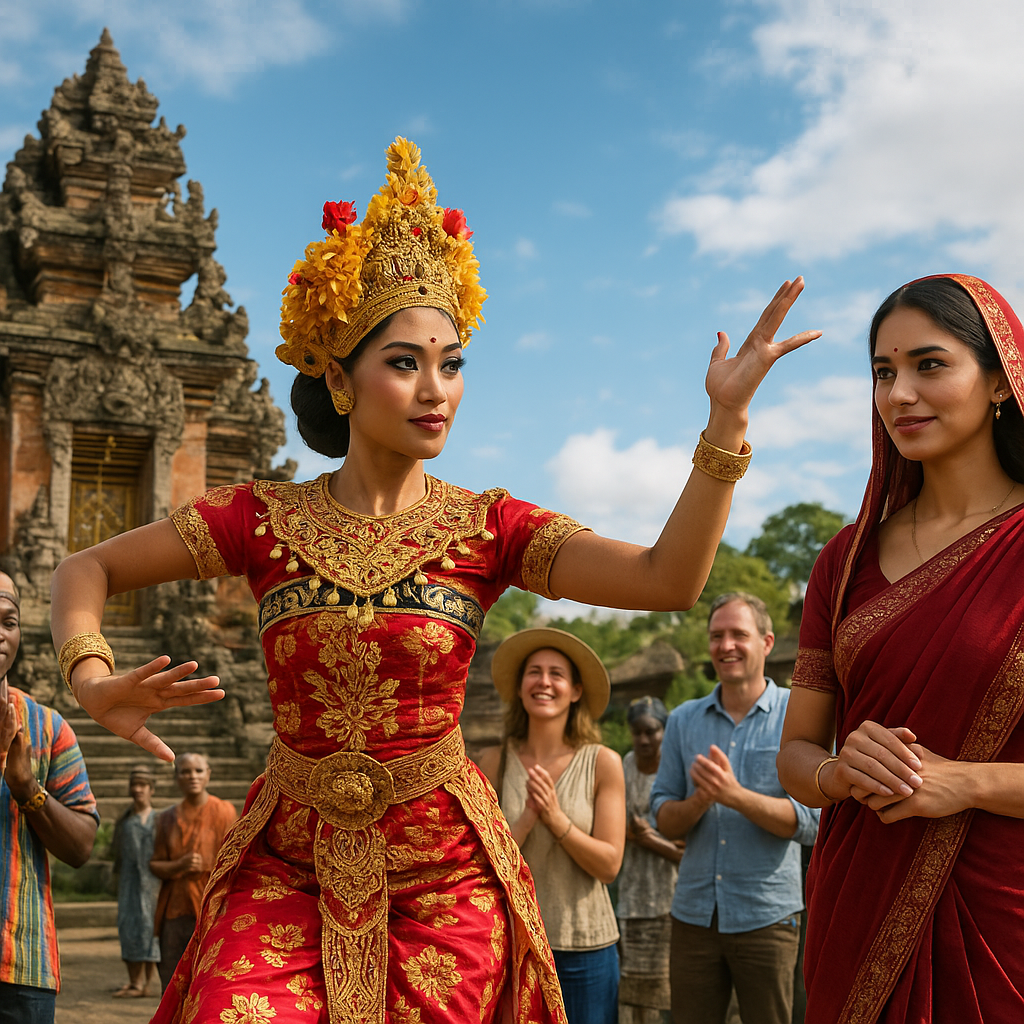
Balinese Temple Ceremonies, Indonesia
Bali is renowned for its intricate temple ceremonies, which blend Hindu rituals with local customs. From full moon celebrations to elaborate cremation ceremonies, these events feature music, dance, and offerings to the gods. Tourists are often welcome to observe or even join in, provided they dress respectfully and follow local guidelines.
Unusual and Offbeat Experiences
Ice Swimming in Finland
In Finland, winter is embraced with a unique tradition: ice swimming followed by a sauna. Locals cut holes in frozen lakes and plunge into the icy water, believing it boosts circulation and invigorates the spirit. Visitors can participate in this bracing ritual at public saunas or lakeside resorts, gaining firsthand experience of Finnish resilience and wellness culture.
Sumo Wrestling in Japan
Sumo wrestling is more than a sport in Japan—it is a centuries-old cultural performance. Attending a sumo match allows spectators to witness elaborate pre-bout rituals and the sheer power of the athletes. Some stables even offer morning training sessions open to visitors, providing a rare glimpse into the disciplined lives of sumo wrestlers.
Why Pursue Unique Cultural Experiences?
- Broaden Your Perspective: Immersing in different cultures challenges assumptions and fosters empathy.
- Create Lasting Memories: Unique experiences are often the most memorable aspects of travel.
- Support Local Communities: Participating in traditional activities can help sustain cultural heritage and provide economic benefits to local people.
- Personal Growth: Stepping out of your comfort zone enhances confidence and adaptability.
Tips for Enjoying Cultural Experiences Respectfully
- Research local customs and etiquette before participating.
- Dress appropriately, especially for religious or formal events.
- Ask permission before taking photographs, particularly in sacred or private settings.
- Support local artisans and businesses by purchasing authentic products.
- Approach each experience with an open mind and respectful curiosity.
Conclusion
The world is a tapestry of diverse cultures, each offering unique experiences that enrich our understanding of humanity. Whether you are dancing at a festival, learning to cook traditional dishes, or witnessing ancient rituals, these moments create meaningful connections across borders. By seeking out and embracing cultural experiences, travelers not only enhance their journeys but also contribute to the preservation and appreciation of global heritage.