
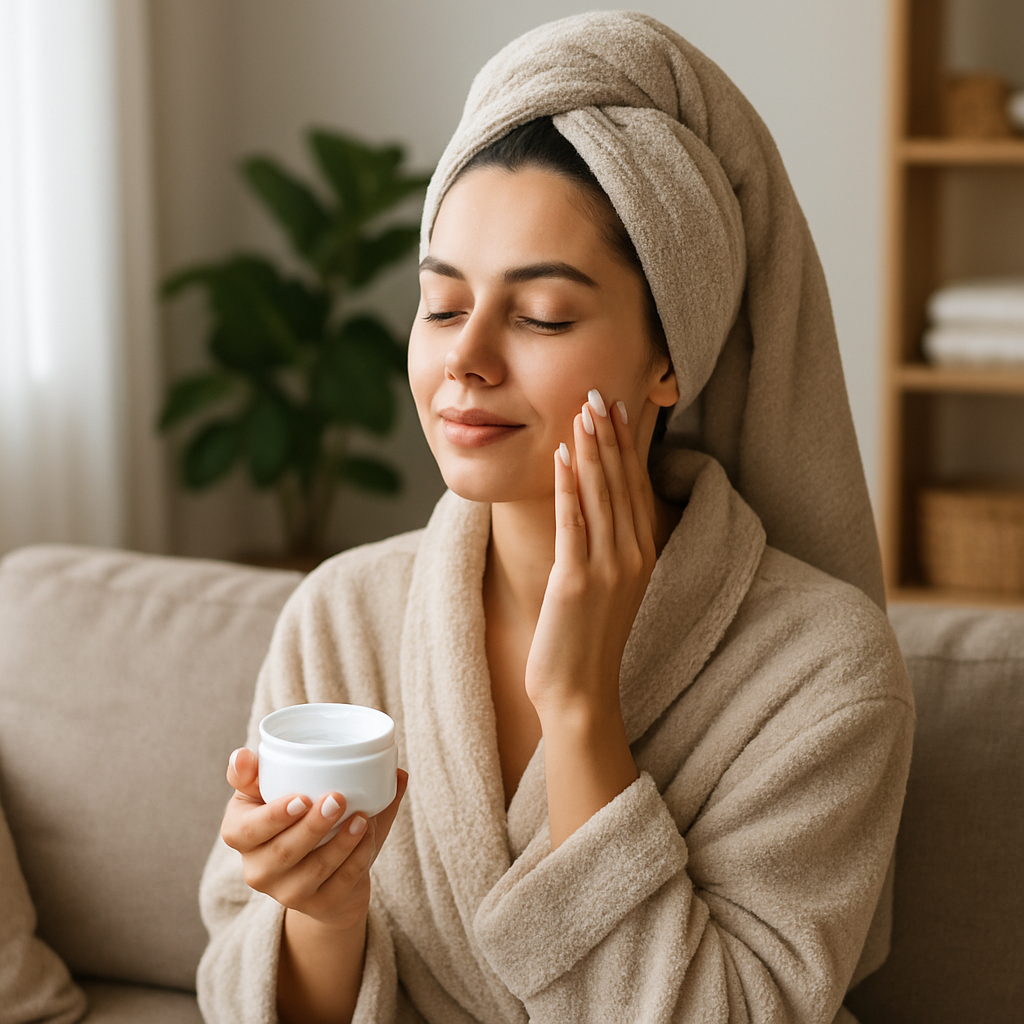
Understanding the Importance of Self-Care
In today’s fast-paced world, finding time for self-care routines is more crucial than ever. Self-care is not a luxury—it’s a necessity for maintaining mental, emotional, and physical health. By integrating self-care routines into your daily life, you can reduce stress, boost productivity, and improve overall well-being. This comprehensive guide explores effective self-care routines, practical strategies, and tips for building a consistent practice that supports your lifestyle.
What is Self-Care?
Self-care encompasses activities and practices that individuals engage in regularly to protect their health, manage stress, and enhance their quality of life. It involves addressing your physical, emotional, mental, and spiritual needs, ultimately nurturing your overall well-being. Contrary to popular belief, self-care isn’t selfish; it empowers you to be your best self for both you and those around you.
Key Dimensions of Self-Care
- Physical Self-Care: Activities that improve your body’s health and functioning.
- Emotional Self-Care: Practices that help you process and manage emotions.
- Mental Self-Care: Strategies to stimulate your mind and reduce mental fatigue.
- Spiritual Self-Care: Activities that foster a deeper sense of purpose and connection.
- Social Self-Care: Nurturing relationships and building support networks.
Creating an Effective Self-Care Routine
Building a self-care routine requires intention and consistency. Here’s how to get started:
- Assess Your Needs: Reflect on which areas of your life need more attention. Are you feeling physically exhausted, emotionally drained, or mentally overwhelmed?
- Set Realistic Goals: Start small and set achievable self-care goals. Consistency is more important than perfection.
- Schedule Self-Care: Treat self-care activities as non-negotiable appointments in your calendar.
- Experiment and Adjust: Try different self-care practices and modify your routine based on what works best for you.
Essential Self-Care Activities for Every Day
Physical Self-Care Ideas
- Exercise Regularly: Incorporate movement into your day, whether it’s a brisk walk, yoga, or strength training.
- Eat Nourishing Foods: Focus on a balanced diet rich in fruits, vegetables, lean proteins, and whole grains.
- Prioritize Sleep: Aim for 7-9 hours of quality sleep each night to rejuvenate your body and mind.
- Hydrate: Drink plenty of water throughout the day to maintain optimal health.
- Practice Good Hygiene: Simple acts like showering and brushing your teeth can boost your mood and confidence.
Emotional and Mental Self-Care Ideas
- Journaling: Write down your thoughts and feelings to process emotions and gain clarity.
- Meditation and Mindfulness: Practice meditation, deep breathing, or mindfulness exercises to reduce stress.
- Seek Support: Talk to trusted friends, family members, or a therapist when you need help.
- Engage in Hobbies: Dedicate time to activities that bring you joy, such as reading, painting, or gardening.
- Set Boundaries: Learn to say no and protect your time and energy.
Spiritual and Social Self-Care Ideas
- Connect with Nature: Spend time outdoors to recharge and gain perspective.
- Practice Gratitude: Reflect on things you’re grateful for each day.
- Build Community: Join groups or clubs that align with your interests and values.
- Volunteer: Giving back to others can increase your sense of purpose and fulfillment.
- Engage in Spiritual Practices: This may include prayer, meditation, or attending religious services, depending on your beliefs.
Tips for Sticking to Your Self-Care Routine
- Start Small: Begin with one or two activities and gradually add more as you build the habit.
- Be Flexible: Life can be unpredictable, so adapt your routine as needed without guilt.
- Celebrate Progress: Acknowledge your efforts and reward yourself for staying consistent.
- Track Your Habits: Use a journal or app to monitor your self-care activities and identify patterns.
- Involve Others: Share your goals with a friend or join a community for accountability and support.
Common Barriers to Self-Care—and How to Overcome Them
Many people struggle to prioritize self-care due to various obstacles. Here are some common barriers and strategies to overcome them:
- Lack of Time: Integrate micro-self-care activities, such as deep breathing or stretching, into your day.
- Guilt: Remind yourself that self-care is essential for your well-being and benefits those around you.
- Perfectionism: Accept that your self-care routine doesn’t have to be perfect. Focus on progress, not perfection.
- Financial Constraints: Many self-care activities, like walking or journaling, are free or low-cost.
The Long-Term Benefits of Self-Care
Regular self-care offers a multitude of benefits, including:
- Enhanced physical health and immunity
- Improved mood and emotional resilience
- Greater mental clarity and focus
- Stronger relationships and social connections
- Increased productivity and creativity
By making self-care a routine part of your life, you invest in your future well-being and happiness.
Conclusion: Start Your Self-Care Journey Today
Building a self-care routine is a powerful step towards a healthier, happier you. Remember, self-care is highly individual—what works for one person may not work for another. The key is to listen to your needs, be kind to yourself, and make self-care a non-negotiable part of your daily life. Start with small steps today, and watch as your well-being transforms over time.