
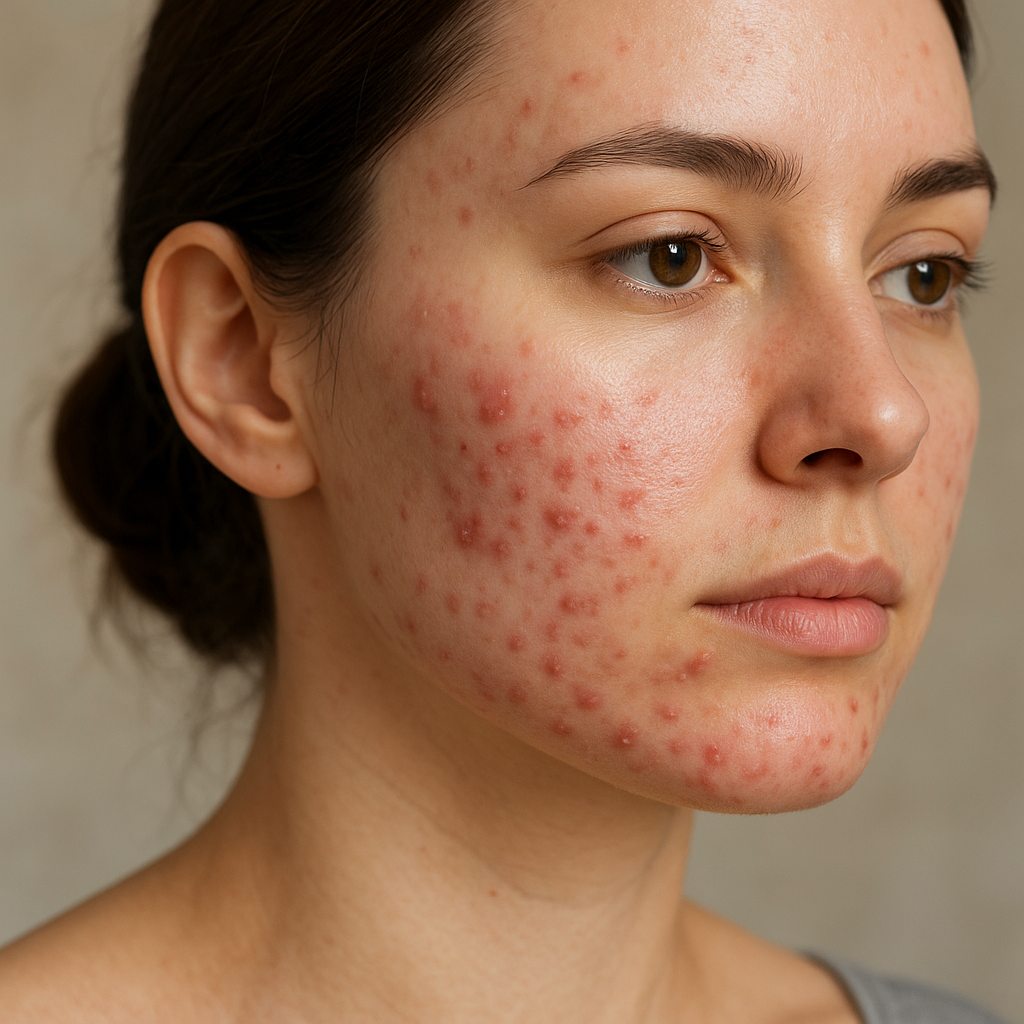
Understanding Acne: Causes and Types
Acne is a common skin condition that affects millions of individuals worldwide, regardless of age or skin type. Characterized by the appearance of pimples, blackheads, whiteheads, and sometimes cysts, acne can significantly impact self-esteem and skin health. To effectively treat and prevent acne, it’s crucial to understand its root causes and the types of acne lesions that may develop.
Main Causes of Acne
- Excess Sebum Production: Overactive sebaceous glands produce too much oil, leading to clogged pores.
- Clogged Hair Follicles: Dead skin cells accumulate and block pores, trapping oil and bacteria.
- Bacterial Growth: Propionibacterium acnes (P. acnes) bacteria proliferate in blocked pores, causing inflammation.
- Hormonal Changes: Fluctuations during puberty, menstruation, pregnancy, or due to certain medications can trigger acne.
- Genetics: A family history of acne increases the likelihood of developing the condition.
Types of Acne
- Non-inflammatory: Includes whiteheads (closed comedones) and blackheads (open comedones).
- Inflammatory: Papules, pustules, nodules, and cysts, which are often red, swollen, and painful.
Effective Acne Treatment Options
Acne treatments vary based on the severity and type of lesions present. A combination of topical, oral, and procedural therapies may be recommended for optimal results. Below are the most effective, evidence-based treatment options for managing acne.
Topical Treatments
- Benzoyl Peroxide: An over-the-counter (OTC) antibacterial agent that reduces P. acnes bacteria and helps unclog pores.
- Retinoids: Vitamin A derivatives (such as adapalene, tretinoin) that promote cell turnover and prevent clogged pores.
- Salicylic Acid: A beta hydroxy acid (BHA) that exfoliates the skin and helps keep pores clear.
- Topical Antibiotics: Clindamycin and erythromycin help reduce inflammation and kill bacteria (often combined with benzoyl peroxide to prevent resistance).
Oral Medications
- Oral Antibiotics: Doxycycline, minocycline, and tetracycline can be prescribed for moderate to severe inflammatory acne.
- Hormonal Therapies: Birth control pills and anti-androgens (like spironolactone) regulate hormone-induced breakouts in women.
- Isotretinoin: A powerful retinoid reserved for severe, treatment-resistant acne. Requires close medical supervision due to potential side effects.
Procedural Treatments
- Chemical Peels: Professional-grade acids exfoliate the skin and improve acne and post-acne marks.
- Light and Laser Therapy: Targets bacteria and inflammation, promoting clearer skin with minimal downtime.
- Drainage and Extraction: Dermatologists may manually remove large cysts or nodules to prevent scarring.
Preventing Acne: Daily Habits for Healthy Skin
Prevention is a critical aspect of acne management. Adopting healthy skincare habits and lifestyle choices can significantly reduce the likelihood of breakouts and support ongoing acne treatment.
Skincare Tips
- Cleanse Gently: Use a mild, non-comedogenic cleanser twice daily to remove excess oil and impurities without over-drying the skin.
- Moisturize: Even oily or acne-prone skin needs hydration. Choose oil-free, non-comedogenic moisturizers.
- Avoid Over-Exfoliation: Scrubbing too hard or using harsh exfoliants can irritate the skin and worsen acne.
- Sun Protection: Use broad-spectrum, non-comedogenic sunscreen daily to prevent hyperpigmentation and sun-induced inflammation.
- Hands Off: Avoid touching your face, picking, or popping pimples, as this increases the risk of scarring and infection.
Lifestyle Modifications
- Balanced Diet: While the link between diet and acne is still being studied, reducing high-glycemic foods and dairy may help some individuals.
- Manage Stress: Stress hormones can exacerbate acne. Incorporate stress-reducing activities such as exercise, meditation, or hobbies.
- Regular Exercise: Physical activity promotes overall skin health, but always cleanse your skin after sweating to prevent clogged pores.
- Change Pillowcases and Towels: Frequently wash these items to minimize the spread of bacteria and oil.
When to See a Dermatologist
If over-the-counter products and preventive measures do not improve your acne after several weeks, or if your acne is severe, painful, or causing scarring, consult a board-certified dermatologist. Professional evaluation ensures you receive a personalized treatment plan tailored to your unique skin needs.
Signs You Need Professional Help
- Acne persists despite OTC treatments
- Development of nodules or cysts
- Visible scarring or pigmentation changes
- Psychological distress due to acne
Myths and Misconceptions About Acne
There are many myths about acne that can lead to ineffective or even harmful practices. It’s important to separate fact from fiction for optimal skin health.
- Myth: Only teenagers get acne.
Fact: Acne can occur at any age, including in adults and even infants. - Myth: Poor hygiene causes acne.
Fact: Acne is not caused by dirty skin, and excessive washing can make it worse. - Myth: Sun exposure clears acne.
Fact: Sun may temporarily dry out pimples but can worsen inflammation and cause long-term damage. - Myth: Greasy foods always cause acne.
Fact: While a healthy diet can help, greasy foods are not a direct cause for everyone.
Conclusion
Acne treatment and prevention require a comprehensive approach, combining evidence-based skincare, healthy lifestyle habits, and when necessary, professional intervention. By understanding the underlying causes, utilizing appropriate treatments, and making informed lifestyle choices, you can achieve clearer, healthier skin. For persistent or severe cases, always seek guidance from a dermatologist to ensure the best possible outcomes on your journey to acne-free skin.